



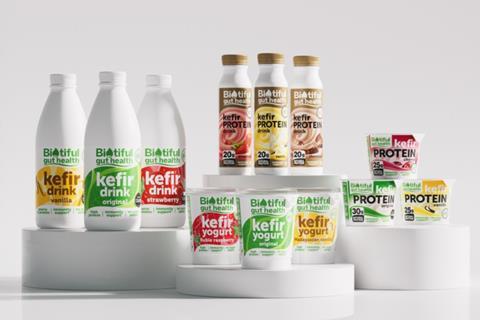
M&A activity in the UK food and drink sector remained relatively strong in 2025, with deal volumes broadly in line with the previous two years and notable uplifts in Q2 and Q3. Among the standout transactions was Müller’s acquisition of Biotiful Gut Health, underlining continued appetite for well-positioned consumer brands and a healthy pipeline of recognisable names across the sector.
There was an expectation of optimism for the near future as the sector was viewed as one primed for increased M&A activity for the next 12 months.
The ongoing conflict in the Middle East and rapid nature in which events are unfolding has knocked this optimism off course. Households across the UK are now increasingly thinking about a rising cost of living, with inflation once again creeping up and rate increases on the table after a period of successive cuts.
As volatility continues, what does the current environment mean for the food and drink sector?
M&A activity in the medium-term
While it’s understandable that market shocks of any nature will cause concern, we remain relatively confident about the prospects of M&A activity in the food and drink sector in the medium-term. The past four years have been marked by heightened uncertainty, from the pandemic to the war in Ukraine, and that has changed how businesses and investors approach transactions.
While current volatility may be unique in some ways, due diligence is already more robust as a result of these previous market shocks. We can therefore see that contingency planning is more developed and management teams are increasingly used to operating against an uncertain backdrop. As such, due diligence processes remain robust across the sector, with certain levels of uncertainty already priced in.
In addition, the investment landscape remains promising. Large corporates continue to look for bolt-on acquisitions that can broaden capability, strengthen product ranges, or improve operational resilience. At the same time, private equity houses remain under pressure to deploy capital, meaning there is still money in the market and a continued pool of buyers looking for the right opportunities.
High-growth opportunities
There are also clear areas of the market where investor appetite remains strong. High-protein foods are one such example, having not only captured the public imagination, but also piqued the interest of investors. One of the standout UK transactions of 2025 was Yeo Valley’s acquisition of dairy brand The Collective, known for its high-protein gourmet yoghurts, as well as Bako Group’s acquisition of Bako Western, both of which supply bakery ingredients including high-protein goods. Danone’s recent agreement to acquire high-protein company Huel only adds to this point.
These transactions point to a broader trend across health and wellness, where food and drink businesses are increasingly attracting interest from both trade buyers and investors. That interest reflects changing consumer priorities, shaped by the legacy of Covid-19, greater attention to nutrition and an ageing population.
Holland & Barrett and Well Pharmacy’s concession partnership at the end of 2025 is one example of growing interest at the intersection of food, drink, health and wellness. Private equity has also been active in the space, with last year’s pipeline including LDC’s investment in Bespoke Kitchen Foods, and NatWest and Michael Vaughan’s £1.8m investment in nutritional supplement business Zooki.
This growing interest in healthier segments of the market is also prompting companies to pursue deals that protect margins, particularly through the acquisition of suppliers or logistics partners. In many cases, greater control over these parts of the supply chain offers the best defence against external shocks, from rising energy costs to wider logistical disruption. Owning more of the process also gives businesses the agility to respond more quickly to operational challenges, whether geopolitical or otherwise.
This, together with an expectation of continued supply chain integration post-pandemic and greater EU integration in the near future, poises the UK food and drinks sector to better shore up operations, reducing its exposure to market shocks abroad.
Looking ahead
While developments involving Iran are evolving rapidly, we expect the food and drink sector to remain relatively resilient in the medium term, supported by stronger risk management, more robust supply chains and continued investor interest.
The pandemic and the war in Ukraine have already forced businesses across the sector to build greater resilience into their operations. That will not make food and drink immune to further geopolitical disruption, but it does leave the sector better placed to withstand another period of uncertainty.
Sam Sharp and Lydia Mills are food and drink M&A specialists at Browne Jacobson











No comments yet