alcohol billboard GettyImages-71926854

Source: Getty Images

These moments generate reach and talkability, says Siobhan McDade, chief publishing officer at Jungle Creations

Alcohol brands are working harder to be seen. Not because visibility is guaranteed, but because it’s increasingly fragile. In a crowded category with fewer clear routes to attention, showing up has become a survival tactic. From Moët & Chandon floating a giant champagne-cork balloon to celebrate a moment of scale and spectacle, to Guinness rolling out the Guinnbrella across the UK’s notoriously rainy cities, brands are investing heavily in cultural presence.

These moments generate reach and talkability. They do what they are designed to do. What they don’t reliably do is build loyalty.

Visibility is easy – repeat choice is harder

Alcohol choice is increasingly situational. Shoppers move between brands based on price, pack formats, availability and who they are drinking with, rather than defaulting to a single label every time. CGA figures from late 2025 suggest on-trade visits remain under pressure, even as spend per visit stabilises. Fewer occasions mean fewer chances to reinforce habit, which makes every choice more considered.

Regulation adds another layer. January’s HFSS changes reshaped how food and drink brands can appear together, and research found just 8.8% of food and beverage businesses had meaningfully prepared.

Pubs, bars and restaurants were among the least ready, reducing in-venue visibility as consumers tightened spend. Plans to expand HFSS classification further increase uncertainty around familiar promotional mechanics.

Loyalty is built between the moments

It’s understandable why brands lean into big activations and limited-editions. They are some of the fastest ways to earn attention. The opportunity now is to extend that visibility into something more sustained.

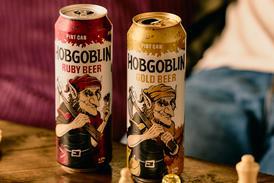
An always-on social presence that builds community, not just campaign bursts, can create familiarity over time. Conversation, recurring formats and platform-native content help brands feel present week to week. Collaborations can also work harder. Beavertown’s ongoing artist collaborations, where limited-edition can designs become collectible and instantly recognisable at shelf, show how creative partnerships can turn cultural alignment into something that physically stands out in the aisle.

Taste is equally critical. In the rush to attach to cultural moments, the liquid itself can become secondary. Yet repeat purchase is grounded in flavour and quality. Campaigns that confidently hero taste (within HFSS parameters where relevant) give consumers a practical reason to return. Food pairing plays a role too. Showing how a drink fits with everyday meals or at-home occasions makes it part of a routine rather than a one-off treat.

Innovation matters as behaviour shifts. As moderation rises and non-alcoholic options grow, brands that invest meaningfully in low & no variants or new formats show they are evolving with consumers rather than repeating the same playbook.

Showing up is no longer the hard part. Staying chosen is.


Siobhan McDade is chief publishing officer at Jungle Creations