





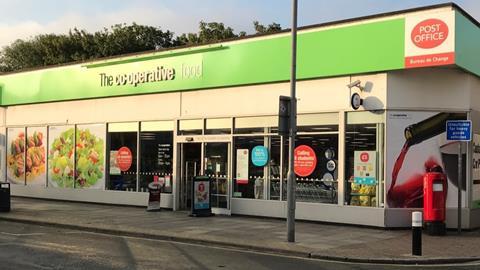
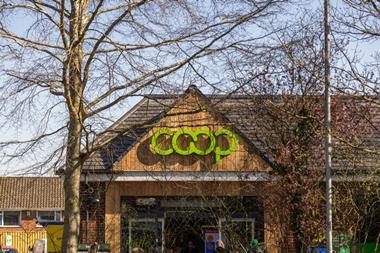
Co-op Group and Southern Co-op have decided to merge. It’s a landmark move; Co-op Group’s first merger since 2009 and Southern Co-op’s first ever, since it became a regional co-op in 1969. The premise of the consolidation is simple: to create a co-operative society with greater scale, resilience and impact for members, customers, and colleagues across the UK.
But the timing is too hard to ignore.
Let’s face it, The Co-op Group has been no stranger to crisis. In the past year alone, it bore the brunt of a catastrophic cyberattack which wiped £285m off its sales as it was forced to shut down its systems in response. That was followed by accusations of a “toxic” culture at the top of the Group, with “fear and alienation” among staff who felt unable to speak up in front of the leadership team.
It’s faced a whirlwind of problems – but the merger isn’t necessarily a knee-jerk reaction to the Co-op Group’s problems, including the CEO vacancy that has arisen following the departure of Shirine Khoury-Haq. It is understood discussions predated these challenges, and the merger forms part of a longer term plan to join forces, driven by the need for economies of scale in a challenging market.
What does the Co-op merger offer?
As The Grocer’s recent cover story showed, the co-ops are under severe pressure. And though the travails of the Co-op Group are high profile, Southern Co-op reported losses of £7m in its latest results, and a decline also in sales as it faces into increased competition from rivals in its southern heartland – including the Co-op Group.
On the other hand Southern has 300,000 members and 300 food, funeral and Starbucks branches. In size, The Co-op Group, of course, is of a different order of magnitude: it has more than seven million members and operates over 2,300 food stores, 800 funeral homes as well as a wholesale business supplying around 8,000 outlets. It hardly feels like a merger of equals, unlike when Central Co-op and Midcounties Co-op consolidated earlier this year.
There are, however, clear advantages, such as the potential to deliver a simpler, more consistent customer experience. Industry experts point to overlapping operations between Co‑op Group and Southern Co‑op – particularly where food stores are trading in the same areas – which can leave shoppers confused, including over where and how loyalty cards can be used. In that sense, a merger is clearly favourable for both the businesses and their shoppers.
Read more: Is the co-operative society movement still working in retail?
Franchising is another area of alignment. Southern Co-op is the only other society aside from Co-op Group which operates a franchise model, with its Welcome fascia spanning 73 stores, typically operated by independent retailers. That’s more than Co-op Group’s 67, though it’s expecting its franchise agreements with hospitals, universities, and forecourt retailers including EG On The Move to reach 100 by the year end. Combining these areas of expertise could unlock significant commercial advantages.
The proposed deal also brings Southern Co-op CEO Ben Stimson into the fray. While he’s only been in post for nine months, he brings experience from both retail and the public sector, including Waitrose and the Bank of England, which may yet be important when it comes to selecting a permanent CEO and the management structure of the combined mutuals.
Co-ops get competitive
The other question is where this landmark merger leaves the rest of the co-operative retail movement. After years of little activity, consolidation has gathered pace over the past 12 months. The merger of Central Co-op and Chelmsford Star last August was followed in January by the Central Co-op and Midcounties deal, which created OurCoop. That flurry of activity came after a long lull, with the last major deal in 2017, when Wooldale Co-op integrated into Central England Co-op (which later rebranded to Central Co-op).
The recent waves of mergers suggest a new trend is emerging as the co-op societies look to compete harder and faster.
So where does this leave the rest of them? With the combined Co-op Group and Southern Co-op now operating around 2,500 stores, and OurCoop forming the largest regional society with 500 stores, the gap between the biggest players and the rest is widening. Just 11 societies remain, ranging in size from 176 stores to a single site – although, for many, that’s been a conscious decision.
Observers of the co-operative movement note that Co-op Group has always been keen to integrate with regional societies. Historically, though, societies have been reluctant to dilute or diminish their local identity and community focus. The question now is whether that resistance will hold in today’s increasingly volatile retail climate.





No comments yet