





There was plenty for incoming PM Andy Burnham and new health secretary Yvette Cooper to chew on today when it comes to setting the country’s big health priorities, a subject inextricably linked to his focus on tackling the cost of living crisis.
A grim report from the Food Foundation warns that the availability of a reliable food lifeline for many households is getting worse, with one in six families with children living in food insecurity. Its authors are pushing Burnham to back a new Good Food Bill, which they hope will include a raft of new mandatory targets on food insecurity, as well as the type of food we eat as a nation.
Such a bill may be right up the new PM’s street, as it’s a logical extension of bus fare caps, ending rough sleeping and making Downing Street staff pack their bags and relocate to Manchester.
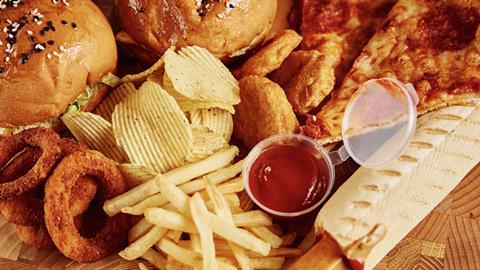
But would it include a specific crackdown on ultra-processed foods? That question is very much up for debate after we revealed the government’s panel of health advisers have concluded there is “insufficient evidence” to launch a new review into the risks posed by UPFs, despite acknowledging a growing weight of scientific evidence.
Focus on HFSS
It has emerged that experts from the Scientific Advisory Committee on Nutrition (SACN), which met to debate the issue last month, have decided that it would be best for ministers to avoid targeting UPFs, for now at least, and concentrate on encouraging consumers to eat less HFSS foods.
Despite recognising the “improved quality” of current evidence and research on the dangers of UPFs, such as last week’s major report that claims taking action could save tens of thousands of lives, the boffins say that there is not enough to justify a specific crackdown.
The decision echoes a controversial statement released three years ago by the same committee. Even back then it riled anti-UPF campaigners, and since then public concern has only grown.
SACN has concluded – again – that it remains unclear to what extent observed associations between UPF and adverse health outcomes could be explained by people consuming food that is already defined (and regulated) as HFSS. And while controversial, the decision will be welcomed by those who say a government departure from its existing focus could hugely muddy the waters of health policy.
Last year similarly influential “nudge” body Nesta urged the government against expanding its obesity strategy to include specific targets against UPFs, warning it risked “undermining” the war on obesity. Analysing Kantar Worldpanel data, it said as many as 80% of UPF categories, including confectionery, cakes and crisps, were already covered by the government’s 2004 nutrient profiling model (which itself is up for debate).
Leading academics, including Professor Alex Johnstone, co-author of the landmark report on the effectiveness of the government’s HFSS promotions clampdown, have also argued it would be almost impossible for ministers to target UPFs in a way consumers would understand.
In May this year, The Grocer revealed a report by the British Nutrition Foundation (BNF) had also called for ministers and the industry not to get too distracted by a war on UPFs. It argued the food industry should instead commit to cheaper everyday low prices on healthy foods, automatically reducing UPF intake and moving the debate on from the potential harms.
Conflicts of interest
Interestingly, health groups have been as reluctant as academics to suggest specific restrictions on UPFs.
Despite various groups, including the Food Foundation, calling for new measures to tackle UPFs in the past, supporters of the Good Food Bill, which Burnham and Cooper are under pressure to adopt, suggest that the issue would be ”indirectly addressed through obesity and nutrition statutory targets”, even though they would like stronger dietary advice within it to promote “whole, minimally processed foods”.
Of course, none of this means we have heard anything like the last of the UPF debate. Most consumers who profess concern over diets that are full of processed foods, are unlikely to have even heard of SACN, let alone care what it thinks. At the same time, those who accused its members of being too closely linked to the food industry have been given little reason to change their minds.
Campaigners like Chris van Tulleken, author of bestselling book Ultra-Processed People (and keynote speaker at The Grocer’s upcoming Health Summit), have long criticised the panel. A BMJ analysis in 2023 found at least 11 of its 17 members had links to the food industry, including “conflicts of interest” with the likes of Nestlé, Tate & Lyle and Unilever.
SACN’s conclusion that the government should stick with its current HFSS strategy will not go down well with critics of that legislation either. They say the policies have been delayed and “watered down” – which is hard to argue against, when McDonald’s adverts were given the green light by the UK’s advertising watchdog earlier today.
For now at least, it seems we are a long away from the sort of seismic public health moment we saw in 2015, when SACN redefined the guidelines for free sugar intake in our diets. The impact of that decision is still having momentous consequences across the food industry today.











No comments yet