






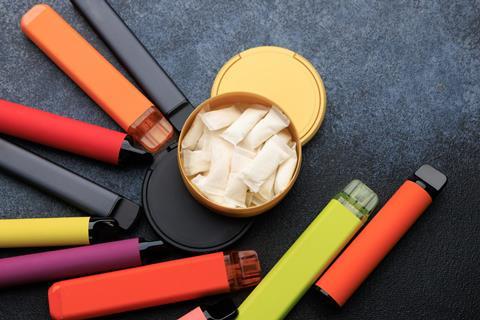
More than 1.3 million illegal vaping products have been seized in the UK since the disposable vape ban was introduced in June 2025.
Alternative nicotine product experts Northerner, which obtained the data from UK councils following a Freedom of Information request, said the figure highlighted the widespread availability of illicit products in the market and raised concerns about their sale and distribution.
Topping the list was Bolton Metropolitan Borough Council, with over 250,000 non-compliant items seized between June 2025 and May 2026.
The confiscations took place at various locations, including stores with postal counters, variety discounters, vehicles and outdoor toilets. The council’s busiest month was March, when it seized 216,205 illegal vape products.
Hull City Council came second with 204,252 illegal vaping items confiscated, followed by Ealing Borough Council, which seized 86,203.
Scotland accounted for four of the top 10 councils with the fewest seized items since the disposable vape ban was introduced.
The Scottish Borders Council and Midlothian Council took first and second place, seizing five and 10 non-compliant items respectively. Royal Borough of Kensington and Chelsea came fifth, with 24 items apprehended.
Northerner also requested data for the councils with the highest value of seized items. Swansea Council topped the rankings, at an estimated £470,000. The council seized 47,200 non-compliant products between June 2025 and May 2026, all of which were taken from vape shops or convenience stores.
Westminster City Council placed second, with almost £201,688 worth of illegal vape products seized, followed by Manchester City Council, where an estimated £185,250 worth of illicit items were apprehended. The council seized 12,350 non-compliant products from convenience and grocery stores as well as mobile phone shops, according to Northerner.
“When the legal market closes a door, the black market often opens a window,” said Northerner senior director of external affairs UK and scientific affairs Marina Murphy.
“The continued availability of illicit vapes shows that prohibition without effective enforcement risks shifting supply from regulated businesses to criminals. Stronger licensing and oversight are needed to ensure consumer safety does not become the unintended casualty of regulation.
“As the government implements the Tobacco and Vapes Act, it should consider the Dutch Bibob model, which recognises that the strongest enforcement tool is often prevention. Rather than chasing illegal operators once they’ve done the harm, authorities would have the power to stop unsuitable businesses entering the market from the outset.
“A Bibob-like model would allow authorities to carry out enhanced background checks on licence applicants seeking to sell tobacco or nicotine products, and to refuse licences where there are credible links to criminal activity, rather than waiting for illegal activity to occur.











No comments yet