






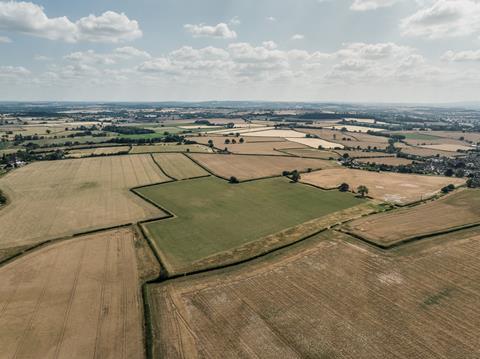
British arable farmers are estimated to have lost almost £5bn over the last three years as a result of extreme heat and drought.
New analysis from the Energy & Climate Intelligence Unit (ECIU) has found harvest shortfalls of wheat, barley, oats and oilseed rape add up to around 15 million tonnes since 2024 compared with a 10-year average.
This is estimated to have cost farmers £4.8bn in lost revenue when these years and the historical average are both adjusted for inflation.
“This summer’s extreme heat and relentless drought has been a terrible blow that has left farmers facing the third poor harvest in a row,” said Tom Lancaster, land, food and farming analyst at the ECIU.
“The lost revenue this summer is just a snapshot of the total cost for UK farming, with vegetable growers, livestock farmers and many in the wider food supply chain also being hit by these climate costs.”
This summer’s extreme heat and drought are projected to have led to the worst harvest on record, the ECIU said, with wheat and spring barley especially hit by a lack of moisture and high temperatures.
The NFU recently warned the impact of extreme weather on many farmers’ cashflow could jeopardise next year’s harvest.
Martin Lines, CEO of the Nature Friendly Farming Network and a farmer from Cambridgeshire, said he was used to “ironing out the bad years with the good, but three terrible harvests in a row is just devastating for my business and the farming sector as a whole”.
The size of the challenge facing British farming is now potentially the greatest in more than 60 years, according to Graham Redman, the author of the Nix Farm Management Pocketbook.
Overall, farm profits in the UK hit their highest point ever in nominal terms in 2025, Redman said, meaning “farming, for some, mostly those with livestock, has recently been very profitable”.
However, many arable farmers continue to suffer rising costs such as fertiliser and fuel as a result of the closure of the Strait of Hormuz, squeezing already tight margins, he added.
This means “the very slim margin in the arable sector is dependent on both support and diversification”.







No comments yet