



Confidence among food businesses has plummeted to its lowest level since the energy crisis following the Russian invasion of Ukraine.
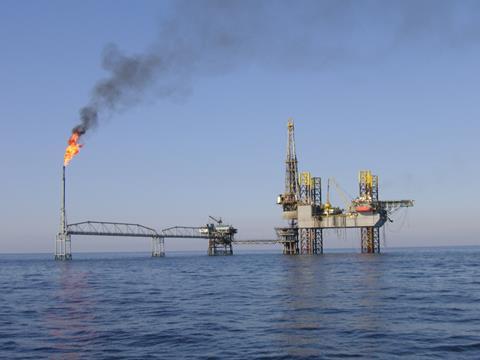
A new report by the FDF shows confidence levels are “in freefall”, with the war in Iran unleashing “the worst energy crisis in history”.
The survey reports confidence levels fell to a score of –64 in the first quarter of the year, down from –31 in Q4 of 2025, with the score calculated as the difference between the share of businesses reporting improved conditions and those reporting deterioration.
The only time since the FDF began recording the survey that confidence was worse was in the second quarter of 2022, when it fell to –72, after Russian tanks rolled into Ukraine.
Another major crisis was now “unavoidable” the FDF report continues. Its author, chief economist Dr Liliana Danila, warns: “For now, this crisis is about higher costs, not shortages.
“Energy, transport, plastic packaging and cleaning chemical costs have risen sharply, while supply chains have been disrupted.
“Food and drink is the manufacturing industry with the largest energy consumption.”
The report adds: “Higher inflation is unavoidable. We forecast food inflation will reach 9%-10%. Yet maintaining market share remains the industry’s top priority (82%). But fragile household finances leave little room to pass through rising costs.”
The FDF said that for a fifth of food manufacturers, energy amounted to more than 10% of their total operating costs, while for nearly a tenth (8%) of manufacturers, energy makes up as much as 20%-24% of the total.
The federation has been leading calls, along with the BRC, for the government to step in to help shield consumers from inflation by tackling industry energy and regulation costs.
The poll of its members shows 38% were calling for government to simplify packaging recycling reforms, a third (33%) wanted a a phased introduction of the Employment Rights Act, while 28% were calling for a delay to changes to the proposals on the nutrient profiling model.
Meanwhile, nearly a quarter (23%) said “realistic transitional arrangements” for the upcoming EU trade deal would help them with current pressure.
Food & Drink Federation CEO Karen Betts said: “Companies in our sector have been hit by a series of shocks over the past five years and now face significantly rising energy and other costs because of the war in Iran.
“In the last inflation spike, companies made savings to absorb some of their rising costs, but now there’s little flexibility left to do this again. What’s more, government is proving inflexible in its own asks of the sector – they are reluctant to offer energy support to intensive users across food and drink production while they continue to layer on regulatory change.
“Companies are having to change their operations to realign with EU law, cover the huge costs of recycling reforms, work out if they can continue to make food healthier to rapidly shifting government targets, and adapt to new employment law – and piling so many asks on industry at once comes at a cost.
“Government needs to work in much better partnership with the food industry to shore up our resilience while helping shoppers manage a maelstrom of rising costs.”



No comments yet