

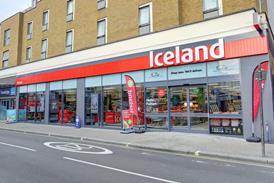




The FDF maintained its forecast of food inflation hitting 9%-10% by December, after Tesco boss Ken Murphy said last week he “didn’t recognise” the figure.
The trade body has warned of financial markets’ complacency and accused the government of lacking “urgency” in its response to the coming financial shock.
“Rapid and targeted” cuts in energy costs are needed to stall a wave of inflation before it becomes embedded in the food supply chain, the FDF said.
“Government is listening, but it’s the [lack of] urgency that bothers me,” said FDF CEO Karen Betts.
“If we’re going to act, we need to act now.”
She told journalists the FDF wanted support for manufacturers modelled on the Energy Bill Relief Scheme that ran during the Russian invasion of Ukraine, focused on the sector’s most energy-intensive sectors.
“Energy is embedded in every part of the system,” she said. “Up to now, we’ve only seen the beginning of that spike. That doesn’t mean that inflation isn’t building in the system.”
Read more: Retail leaders say government must ‘intervene now’ to fight food inflation
Last week, Tesco boss Ken Murphy said the supermarket had not seen “any meaningful inflation” come through apart from on fuel.
“We don’t recognise the number that was published,” he said in reference to the FDF’s 9% figure published at the end of March.
According to the trade body’s chief economist Liliana Danila, any cost rises will take seven to 12 months to reach shelves.
She warned that if the Strait of Hormuz remained closed, inflation may over time rise even higher than the 9% FDF had previously estimated.
The forecast was made on the assumption the Strait of Hormuz would reopen by 22 April, allowing key oil and gas facilities to be rebuilt within a year, and maritime trade to normalise within six months.
All three of criteria may now be missed, she said, as the Pakistan-brokered ceasefire between Iran and the US has been repeatedly violated and shipping through the strait remains blocked.
According to energy research firm Rystad Energy, it could now take approximately two years to rebuild gulf petrochemical capacity back up to pre-war levels.
The economic shock is already building at the base of the supply chain, Danila warned. The UN index for globally traded agricultural commodities has already reported a 2.4% jump in March, as energy, fertiliser and transportation costs increased.
Yet Danila warned financial markets appeared to be underpricing the risk of the war. Physical crude oil prices have already surged to over $150 per barrel, well ahead of the high of just over $100 seen on futures markets.
“We’re already seeing an economic shock, and the longer the conflict goes on, the more difficult things will be down the line,” she said.
The FDF’s request for support came alongside calls from retail leaders for “immediate government intervention” to fight sector inflation. BRC director of food and sustainability Andrew Opie told MPs the sector needed help ofsetting costs now to ward off steeper inflation down the line.









No comments yet