




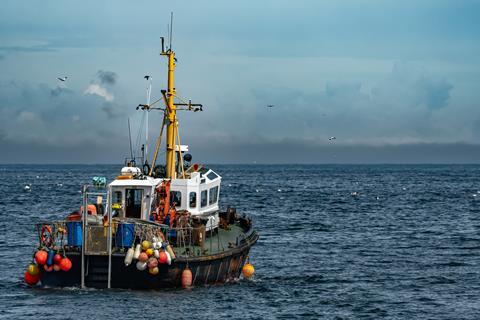
Japanese seafood giant Nissui has backed an initiative calling for more sustainable management of northeast Atlantic mackerel stocks.
The business, whose operating profit exceeded ¥40bn (£185.6m) last year, has joined the North Atlantic Pelagic Advocacy Group.
The Japanese group, which includes in its network UK processor Flatfish, which joined NAPA in 2020, said pelagic fish stocks in the region were “important resources for the seafood supply chain worldwide”.
This comes as coastal states, including the UK and EU, have failed to come to a comprehensive sharing arrangement to ensure the sustainable management of the northeast Atlantic mackerel fishery, although negotiations remain ongoing.
A reduction in Japan’s own blue mackerel stocks in recent years has driven up demand for supply from the northeast Atlantic. The nation is also heavily reliant on blue whiting as it is a crucial source of salmon feed which is a popular import for Japan.
NAPA said with both species facing unsustainable catches, Nissui’s membership marked a ”new chapter in the global discourse” as it showed “global expectations on fishery managers and coastal states to renew their efforts to reach agreement”.
“The seafood supply chain has a vital role to play in tackling these international challenges and finding meaningful solutions, as demonstrated by Nissui’s commitment,” said Aoife Martin, NAPA executive chair.
“The corporation’s strong and highly respected position in the global seafood market strengthens NAPA’s efforts to improve the health of these key fisheries and secure their place in global supply chains,” she added. “Nissui’s membership also sends a clear signal that sustainable fisheries are not solely a regional concern, but a global imperative – and that the Japanese seafood industry is paying close attention.”
The business said in a press statement: “Nissui will work together with its group companies in Europe and Japan to contribute to the sustainable use of Northeast Atlantic pelagic fish stocks and the improvement of fisheries management frameworks.”
Seafish reported the UK exported £214.1m of mackerel last year, an increase 32% year on year, but volumes are in steep decline. In 2025, there was a 15.1% drop in UK mackerel landings and those by the UK fleet abroad also fell by 25.3%.
This was mainly due to the cut in the total agreeable catch agreed to by states including Norway, the EU and the UK, which amounted to a 22% reduction.
The UK, Norway, Faroe Islands and Iceland agreed to a further 48% reduction this year, but this is still far beyond the International Council for the Exploration of the Seas advised cut of 70%, and a six-party agreement with the EU and Greenland has not been reached.









No comments yet