




Agricultural input inflation has reached 8.6% annually as the Iran conflict and drought drive up costs, the latest data has found.
Andersons has suggested this level is the highest since the post-Ukraine peak and more than double the rate recorded immediately before the Iran conflict began in late February.
At the same time, the farming consultancy found agricultural output prices continue to run 2.1% lower year on year.
This means, it warned, UK farm businesses are now navigating a combination of geopolitical disruption, extreme heat and prolonged drought, which are all eroding margins.
“With geopolitical risk, extreme weather and structural policy change all bearing down on UK farm businesses at once, the outlook for the rest of 2026 is genuinely challenging across most sectors,” the report said.
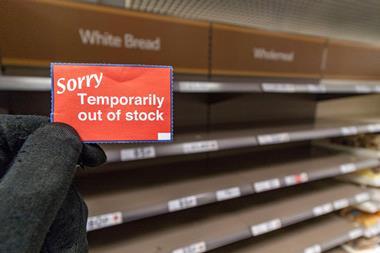
It comes as earlier this week the FDF said price rises for consumers were “inevitable” as shortages of fruit and vegetables become increasingly likely due to the weather conditions.
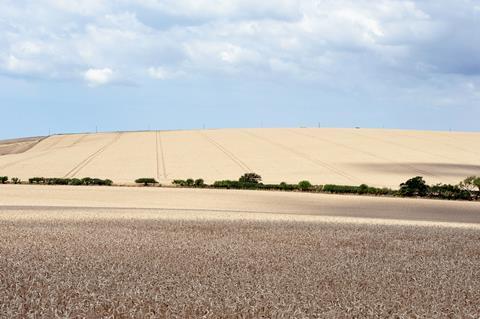
Andersons found the drought has reshaped the arable outlook, with winter wheat yields expected to be below the five-year average. Poor harvest prospects across the UK, EU and North America are expected to tighten supply, meaning prices are currently forecasted at £200 per tonne, £20 above a month ago.
As also reported in The Grocer, the dairy industry is facing pressure with farmgate prices at 34.4p per litre in June, which Andersons said is 20% below levels seen earlier this year.
At the same time the hot weather has curtailed grass growth, and milk deliveries ran 4%-5% lower compared to earlier in the year as heat-stressed cows and scorched pastures forced many producers into supplementary feeding weeks ahead of schedule, it said.
The consultancy also echoed concerns made elsewhere in the sector that winter forage stocks are now a “pressing concern”.
The Iran conflict has also continued to drive input costs higher, including in ammonium nitrate which is up 33% compared to last year, and tractor diesel which is 40% more expensive than earlier in the year.
Andersons said for arable farmers this meant “the cost outlook is considerably more challenging than a year ago”.
Some good news is that beef and sheep producers are in a “comparatively stronger position” with tight domestic supplies underpinning farmgate prices.
Lloyds has become the latest bank to provide support for farmers in the prolonged dry weather. Lloyds and Bank of Scotland have announced they will be offering supporting including working capital solutions, overdraft support, loan repayment holidays, interest rate reductions, temporary lending facilities or wider lending arrangements.





No comments yet