



Food sales grew in August, despite the return to cooler temperatures leading to a “disappointing” month for retail overall.
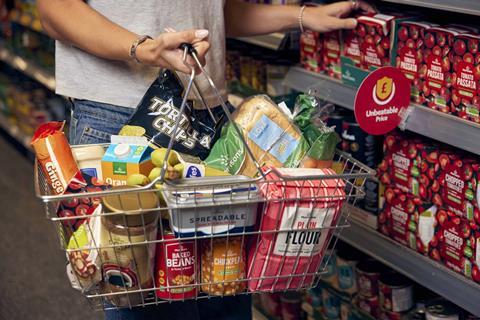
Overall, food sales increased by 2.6% year in year during the four weeks from 2-29 August, according to the latest BRC-KPMG retail sales monitor, down from last year’s 4.7% in August. It was down from July’s 3.7% growth, which was boosted by the World Cup.
In contrast, non-food sales fell by 1.2%, compared to 1.3% growth the previous year. Online non-food sales were also down, falling 0.2% to reverse growth of 2.7% the previous August.
As a result, total UK retail sales increased by a negligible 0.7%, compared to 3.1% the previous year.
“August was a disappointing month for retail sales,” said BRC lead economist Harvir Dhillon.
“Despite pockets of growth, particularly in some food categories, overall performance was below the average for the past year. With the cost of households bills rising, and set to rise further, many shoppers have clearly been tightening their belts.”
Consumers had chosen to cut back discretionary spending on “big-ticket” items like furniture and household appliances, in favour of treating themselves to “smaller luxuries in health and beauty,” Dhillon said.
The growth in food sales was driven partly by the higher temperatures throughout the start of August, which had helped keep consumer confidence on an “even keel” said IGD president Sarah Bradbury. The fall in food inflation to its lowest for two years had also helped, she said.
“However, reports of the upcoming increase in the energy price cap and uncertainty in the geo-political environment contributed to shoppers’ focus beginning to shift to other financial pressures, such as possible tax or benefit changes,” Bradbury warned.
“Ahead of the Autumn Budget, food and drink businesses should expect shoppers to be sensitive to a range of topics that could impact their finances and therefore, their ability and willingness to spend more.”
Healey urged to support retailers in maiden budget
Chancellor John Healey gave his first major speech to business on Monday, ahead of his maiden budget on 28 October. He promised more funding for local businesses in the north of England, played up the opportunity of AI and sought to reassure markets after government borrowing passed record levels.
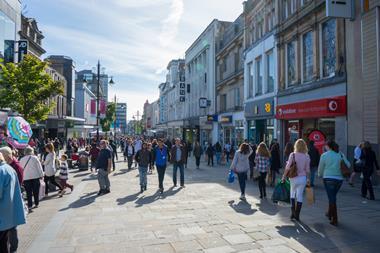
The BRC repeated its urge for the chancellor to do more to support high streets and businesses in his Autumn budget.
“Retailers are being hit by a double whammy of rising costs and slowing consumer demand,” Dhillon said.
“The new government has put high streets at the centre of their vision for better economic growth and the upcoming Budget is an opportunity to deliver on this commitment. Taking action on business rates and energy costs would help support retail investment in local communities while delivering value for consumers.”








No comments yet