





Logistics operators are facing a sharp rise in fuel costs in the wake of the Iran conflict, and have warned that pressure will soon hit food prices.
Brent crude oil futures topped $113 a barrel on Thursday, up 62% on late February levels, amid ongoing attacks by Iran on oil infrastructure across the Middle East and the effective blockading of the vital shipping route through the Strait of Hormuz.
Natural gas prices have similarly rocketed. The cost of European gas futures jumped by 25% on Thursday to €68 per MWh [Trading Economics] – their highest levels in three years – after Iranian missiles badly damaged Qatar’s Ras Laffan gas plant.
As the conflict shows no sign of ending, hauliers are now warning they have no choice but to pass on spiralling costs to their customers in the food sector.
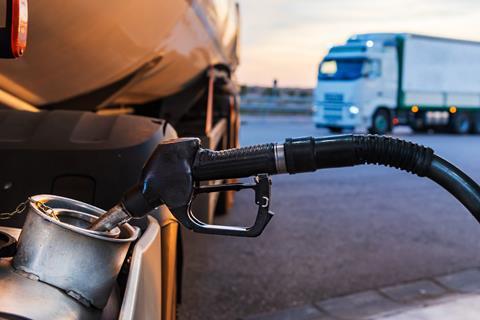
One major operator this week told The Grocer its fuel costs were up 15% on average over the past week, and continuing to climb upwards.
Read more: Iran war: Soaring red diesel prices could threaten jobs and drive up prices
Most logistics firms use a “fuel floater” mechanism to adjust transport costs when prices change.
However, the rises have been so severe many supplier customers were already having to “signpost the increases and speak to their retail partners about price hikes”, a source at the business said, especially those supplying own label products which had “open book” accounting relationships with supermarkets.
Overall transport costs have risen by about 5% since the start of the conflict, said Jack Baxter, operations director at third-party logistics provider Europa Road. Suppliers moving lower‑value loads have been hit hardest, he added, because soaring fuel prices (up 20% in recent weeks for the business) account for a far larger share of their total costs.
Like most companies in what was an “already under strain sector” operating on tight margins, Europa could do “very little but take on the increases and pass them through to customers”, Baxter said.
His comments were echoed by Toby Ovens, MD of Broughton Transport, who said the haulier’s fuel costs were up 22p per litre over the past two weeks. “We have, as a result of this, had to implement a fuel surcharge, which is passed on as a percentage to our customers.”
There are growing fears the UK could face rationing of energy supplies within two months if the conflict continues.
The supply of red diesel – crucial in the agricultural and seafood sectors – has also faced constraints. The National Federation of Fishermen’s Organisations this week warned costs had risen by 73% since the start of the conflict.
How Strait of Hormuz closure will impact global food & drink
“If increased fuel costs exceed expected returns, fishing boats will be forced to tie up,” warned its CEO Mark Cohen. “Crewmen will be unpaid and will have to seek alternative work in other sectors.”
And the energy price spike is also having a significant impact on fertiliser prices, with The Grocer this week reporting apple growers had seen a 42% year on year price spike of the input.
Meanwhile, packaging prices are also set to drive inflation into the wider economy. Linear Low-Density Polyethylene (LLDPE), widely used in food packaging, is on average 27.1% higher than it was a month ago, according to commodity price platform ChAI. Polypropylene is 32.3% dearer on average over the same period.
Tightening supplies of these “building blocks for a wide range of packaging materials” meant food and drink suppliers would “soon feel the impact, resulting in a significant price increase for consumers buying daily staples, from a loaf of bread to a pint of beer”, said ChAI co-founder and CEO Tristan Fletcher.
“And due to packaging-related supply chain disruption we may also start to see gaps on supermarket shelves,” he warned.










No comments yet