

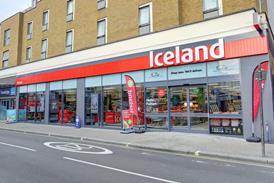





The government has said it is considering a new package of measures to help supermarkets fight the cost of the war in Iran, after admitting shoppers face a “long tail” of inflation even after the conflict finishes.
Darren Jones, chief secretary to the prime minister, who is heading up talks on the economic impact of the war, said consumers were likely to face at least eight months of higher food prices, even after a solution is found to open the Strait of Hormuz.
Jones downplayed the prospect of food shortages, after recent reports claimed the government was preparing for empty shelves in supermarkets over the summer.
But in an interview with the BBC’s Laura Kuenssberg yesterday, he said the impact of supply chain energy price rises and fuel shortages would have a long-term impact on food inflation.
“We’ve started to look at this in a lot of detail,” said Jones. “There is no denying there is going to be some economic impact. We’re seeing that already, inflation has gone up.
“We have been working through systematically different potential points of pressure from jet fuel, to diesel, to carbon dioxide to ensure that if there is price pressure what can we do to help.”
Asked if there could be food shortages, he replied: “At the moment it looks more like availability of certain energy suppliers going into production.
“It’s more of a price pressure, you’re going to see prices go up as a consequence of what Donald Trump has done in the Middle East.
“And quite frankly that is going to come in not just in the next few weeks but in the next few months, there’s going to be a long tail from this.
“Our best guess is eight-plus months from the point of resolution. People will see high energy prices and food prices.
“The government is looking at all those things and looking at what we can do.”
Retail leaders last week called for immediate intervention from the government to counter the threat of inflation, including a six-month pause to the extended producer responsibility (EPR) packaging tax and a pause to all new legislation on the sector.
They warned consumers could face “at least a year” of higher prices as a result of the war.






No comments yet