





National food security could be boosted to levels last seen 25 years ago if the UK expanded fruit & vegetable production, a report has found.
A report published today by Green Alliance has revealed that by expanding domestic horticulture to replace half of the fruit & vegetables currently imported, the UK would boost overall food self-sufficiency to 66% – the highest level seen since the year 2000.
The report found that this was achievable even with extreme weather driving poor cereal harvests in recent years.
Realising this growth would require less than 50,000 hectares of land, 0.3% of farmed area, and would generate £1.9bn for British farmers.
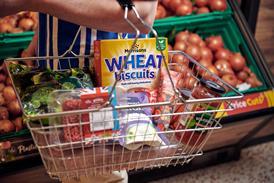
Green Alliance said that expanding domestic production, rather than importing 86% of fruit and 44% of vegetables, would offer a direct solution to international supply shocks, such as storms and droughts in Morocco and southern Spain.
“The UK’s reliance on fruit and veg imports leaves our food supply unnecessarily vulnerable to increasingly frequent weather extremes abroard,” said Lydia Collas, head of natural environment at Green Alliance.
“As British diets continue their long-term trend towards less red meat, and people become more aware of the health benefits of fruit & vegetables, we must use our land to meet that demand.”
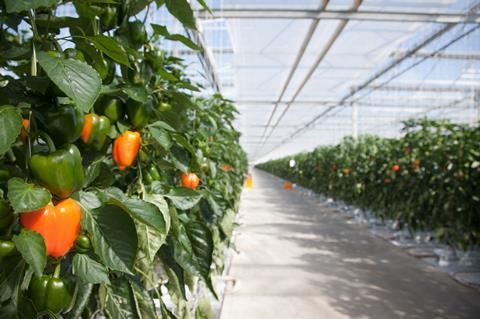
The think tank added glasshouses offered a route to growing more fruit & veg in the UK that is protected from the weather extremes widely impacting harvests.
“We should be hugely proud of our growers, who are amongst the most innovative in the world,” said John Walgate, chief executive of the British Growers Association. “And with extreme weather and conflict overseas threatening supplies of fruit & vegetables whilst British growers struggle to turn a profit, it’s time the government stepped up to secure the nation’s food supply, drive economic growth, and gave the production of healthy home-grown produce the boost it needs.”
The report from the charity has been published as the government prepares its upcoming horticulture sector growth plan.
Walgate has called for the government to take this opportunity to treat the industry to “as the strategically important industry that we are”.
The Green Alliance report suggested that the government’s plan should fast-track new glasshouses alongside industrial sites and AI data centres, using clean waste heat to grow more British fruit and vegetables.
It also argued that growers need help to switch from expensive fossil gas to low-cost renewable electricity by backing long-term fixed-price energy contracts and funding the transition away from fossil fuels.











No comments yet