





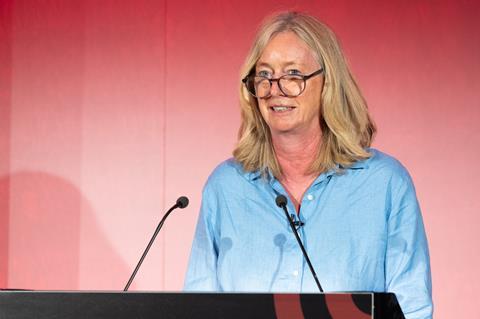
The most common complaint about food on Mumsnet is the mental load of deciding what to cook, before nutrition enters the conversation.
“It’s not the cost, not the cooking, not even how do I get my kid to eat fricking vegetables,” founder and executive chair Justine Roberts told The Grocer Health Summit. “It’s deciding every goddamn day, forever, what’s for dinner.”
Mumsnet analysed conversations from its eight million members and conducted further research with 1,000 of them to find that “coming up with ideas” is the top concern. The single most wanted thing is “healthier dinners that still feel easy”.
Some 83% of people said they want their family to eat more healthily and that figure is flat across all income levels.
“The assumption is that if people aren’t eating healthily, it’s because they don’t want to or they don’t know how. But our data says that’s very wrong,” Roberts said.
“The want is universal. That’s not the problem. What differs across those income levels is whether people feel it’s actually possible.”
Some 73% of the lowest-income mums said it was too expensive to always eat healthily, compared with only 42% of the highest group.
“Nobody needs telling vegetables are good for them. The issue that needs tackling is affordability,” Roberts added.
Mumsnet members report that they have 15-20 minutes to decide what to cook that evening. “The decision our users are making at 5 o’clock, under huge pressure, is blunt. They are thinking: ‘will this actually get eaten, or am I about to waste money and start a row?’”
When food is rejected, Mumsnet users go back to a known safe item. Only 8% will try a rival brand and 46% will stop buying that item altogether. “One failed trial doesn’t just cost a repeat purchase; it costs the whole subcategory,” she said.
Eight out of 10 said they would pay more for food they trust will actually get eaten.
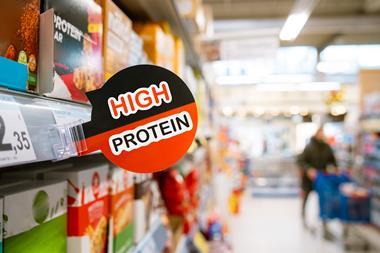
On the subject of nutritional claims, Mumsnet found that freshness, recommendations from other parents, LLM search results, and scrutinising the label have more impact than front-of-pack claims about protein or fibre.
Roberts explained: “When Mumsnet users talk about their own diet, they use lots of nutrient-friendly language. Calories and protein are the two most used words. But when they talk about their kids’ food, not one nutrient word makes up the top 16 approval terms.
“What they say instead are things like from scratch, homemade, whole foods and real food.”
The Grocer Health Summit took place on 15 September 2026. Register your interest for the 2027 event here.





No comments yet