





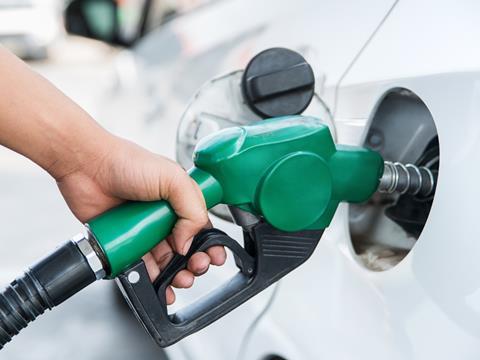
Fuel prices have not dropped as much as they should, the RAC has claimed.
While pump prices are lower than they were seven days ago, they have dropped more slowly than wholesale prices, according to the motoring group.
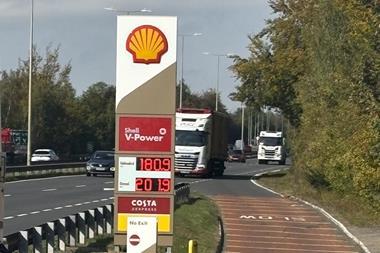
The RAC said the average price of petrol had only come down by a penny a litre and diesel by almost 2p (1.66p) in the past week.
“While prices at the pumps have fallen for the last seven days, the drop isn’t as great or as quick as we’d expect, given our analysis of wholesale data,” said RAC head of policy Simon Williams.
“We hope drivers will see the average price of petrol fall by at least 3p a litre and diesel by double that in the coming days.
“Drivers understand retailers have had no option but to put prices up due to the cost of oil being so much higher, and they’re also suffering with fuel theft as widely reported this week, but as wholesale prices reduce so should forecourt prices.”
The average cost of petrol is currently 157.34 ppl, up 18.5% since the start of the Iran conflict, while the price of diesel has risen by 33.4% to 189.88 ppl.
Read more: How does forecourt fuel market work and why do pump prices vary so much?
Wholesale costs account for 33% of retail petrol prices and 31% of diesel costs at the pump, according to RAC Fuel Watch.
Separate analysis by Fuel Finder UK, an independent price monitoring site, found supermarkets remained cheaper than forecourts operating under major oil brands, but have been slightly slower to pass on wholesale reductions.
Since the announcement of a two-week ceasefire by the US and Iran, Brent crude dropped from $109.27 a barrel to $94.75 and remained below $100 until yesterday’s close price of $101.55. However in the same period no major forecourt retailer reduced its prices by more than 1.3% for diesel and 0.8% for petrol.
“The oil majors have actually cut slightly more than supermarkets from their April peak, but they’re still starting from a much higher level,” said Fuel Finder UK founder Scott Benson. “Supermarkets remain clearly cheaper and the majors are still keeping a noticeable premium.”
While forecourts report the brand they operate under, this data will include franchise owners who purchase fuel on a daily ‘spot’ basis as well as forecourts operated by larger businesses which negotiate lower and more consistent wholesale prices.
Last month the CMA said it would increase the monitoring of petrol and diesel prices, considering how quickly fuel prices rise and fall as wholesale prices change, and whether there is evidence of so-called “rocket and feather” pricing.









No comments yet