





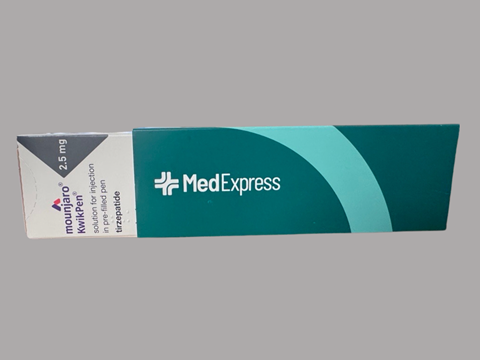
The General Pharmaceutical Council (GPhC) has said it is “very concerned” after an investigation by The Grocer found online pharmacy MedExpress prescribed Mounjaro to a patient with a healthy BMI without independently verifying the false weight submitted during the consultation.
Mounjaro is licensed for obesity treatment in adults with a BMI of at least 30, or at least 27 where they also have weight-related health problems such as prediabetes.
MedExpress, however, advertises a lower BMI threshold for “weight management” of just 25, and issued the prescription “off-label”.
The Grocer used a real patient identity but exaggerated the weight entered on MedExpress’s online form to produce a BMI of 25.0, rather than the patient’s actual BMI of 22.5. Photos were submitted with the patient wearing baggy clothes, and an order for Mounjaro was successfully placed.
MedExpress’ subsequent email requests to book a video call were ignored.
Rather than cancelling the order, MedExpress emailed six days later to say “Good news. A clinician has reviewed your consultation and approved your treatment for Mounjaro Injection 2.5mg.” The jab arrived the following day.
The regulator requires anyone issuing prescriptions for weight management medicines to independently verify patient-supplied information, including weight, height and BMI.

MedExpress failed to meet GPhC standards in its latest inspection, conducted in November 2025.
The pharmaceutical regulator found MedExpress could not show that it was independently verifying people’s BMI when issuing prescriptions for weight management medicines, and therefore that it could not be sure it had “all the information needed to make safe prescribing decisions”.
A further inspection is due after MedExpress outlined measures it said would prevent manipulation.
Roz Gittins, chief pharmacy officer at the GPhC, said: “We are very concerned to hear about The Grocer’s findings.
“We have asked for more information so we can assess the concerns raised, consider whether regulatory action is required, and take any necessary steps to protect patient safety.”
Gittins added: “We inspect hundreds of pharmacies each month. When we identify concerns about whether a pharmacy is meeting our standards, we consider what action may be needed to address those concerns, including through our inspection and enforcement processes. Where appropriate, we also consider action against the pharmacists and pharmacy technicians involved.”
The most common side effects of Mounjaro include nausea, diarrhoea, vomiting and constipation. More serious but rarer side effects include pancreatitis, hypoglycaemia and gallbladder problems.
Tom Quinn, director of external affairs at eating disorder charity Beat, described the findings as “extremely concerning”.
“Weight-loss drugs should only be prescribed following thorough checks, including mental health checks and ideally in-person health checks,” he said. “It is extremely concerning that it is so easy for individuals who do not need this medication to obtain it through falsifying information that is not properly verified.”
He urged prescribers to introduce stronger safeguards “without delay”.
A MedExpress spokeswoman said it had “robust clinical and compliance processes” in place to ensure treatment decisions were safe and appropriate for each individual.
She said: “Trust is central to the clinician-patient therapeutic relationship. Safe prescribing relies on us receiving accurate information about a patient’s health, including their weight and BMI. It is our responsibility to have appropriate safeguards in place, which is why we are continually reviewing and strengthening our processes, including new systems to enhance patient advice and support and strengthen how information is independently verified.
“We are reviewing the full circumstances described and, if we identify any opportunity to strengthen our own processes further, we will act on it as part of our commitment to continuously improving our service.”
MedExpress has grown rapidly during the GLP-1 medication boom. Parent company HeliosX reported sales growth of 336% to £777m last year “primarily driven by an increase in sales of weight-loss products in the UK”.











No comments yet