




The Scottish government has set out its plans for a controversial price cap on essential supermarket products, despite warnings it will face a furious battle in the courts.
All retailers making more than 50% of their annual turnover from grocery, with more than 250 employees and a turnover of more than £250m per year, will be forced to bring in caps on a raft of essential food items.
The list of products that will qualify is being consulted upon, but will include up to 50 products such as bread, eggs and milk.
The model illustrated in the draft legislation would require retailers who sell any of the qualifying products on the government’s list online or in store to have at least one product in the category for sale at or under the price cap.
If the product runs out, retailers would have to substitute them with another line at or under the price cap, or be “ in breach of duty”.
The legislation will also ban retailers from meeting the price cap by requiring a consumer to avail of multibuy promotions before the price applies.
As well as affordability, the list is also set to take into account the “nutritional value” of food and be linked to Scotland’s healthy eating policies.
A consultation will run until 24 November looking at key elements of the plans, including the exact food products subjected to a price cap, modifications to businesses to whom requirements apply and the level of any price cap.
The SNP said it was prepared to listen to alternative models.
However, industry leaders have already warned that the scheme will would lead to shortages on the shelves and the replacement of home-grown products by a flood of cheaper imports.
More than 20 organisations wrote to SNP leader John Swinney yesterday urging him to abandon the plans, which they said would fail to address the root causes of the cost of living crisis.
In the letter, organisations including the Scottish Retail Consortium, FDF Scotland, Scottish Bakers and Dairy UK, businesses leaders told said the government was picking on the wrong target in his bid to tackle the cost of living.
“A statutory intervention of this nature does not address the actual root causes of elevated food prices, which are driven by systemic global and domestic pressures,” it said.
“Our sectors continue to absorb spiking costs across energy, refrigeration, supply chains, commodities, and labour. Artificially suppressing retail prices will not remove these operational costs: instead, it will introduce severe market distortions.
“International precedents demonstrate that price controls lead to unintended consequences that actively harm consumers. These include product shortages on supermarket shelves, the displacement of locally produced items by cheaper imports, and reduced competitiveness for smaller, independent shops that do not possess the margins to absorb government-mandated losses.”
The letter also called on the government to reduce the costs of regulation impacting on businesses and supply chains, rather than destabilise the market further with such a radical intervention.
Legal challenge
Sources have warned that the SNP’s plans would face an inevitable “long and drawn-out” legal challenge if they do eventually go ahead.
It could also spark a potential clash with the UK government, with some suggesting the proposals would need to be granted an exemption under the Internal Market Act.
SRC deputy head Ewan MacDonald-Russell said: “What is clear is that price caps would have unintended consequences – for shoppers, suppliers, and store staff – whilst doing absolutely nothing to tackle the root causes of elevated food prices. Ministers should ditch the price cap idea and get behind our hyper-competitive grocery market as it continues to deliver the best prices possible for Scottish households.
“Price caps don’t tackle food price inflation,” he said. “They are not a solution, they are a gimmick that sounds quite effective, but it just displaces cost elsewhere.
“We can’t see a single example of where this has worked.”
The UK government also mooted the idea of introducing a price cap on essential items in May this year, but it was quickly dropped after a furious reaction from supermarket leaders.
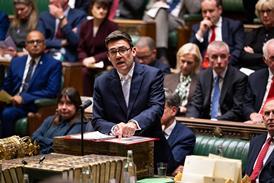
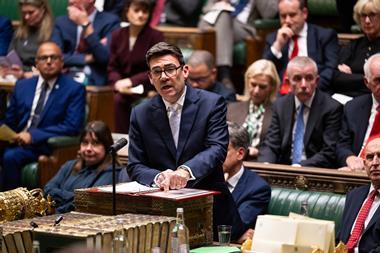
However, prime minister Andy Burnham has promised his own crackdown on retail prices, including a probe into “rip-off” claims over price discounts.
He said: “If something is advertised as half price, it should actually be half price.
“We’ll make sure that when families snatch a deal, they can be confident they’re actually saving. That’s the least they deserve when budgets are so tight.”
Introducing the consultation today, Scotland’s minister for business Tom Arthur said: “Helping people with the cost of living is a top priority of this government. Our aim is to make essential food items more affordable for households struggling to pay for their weekly shop, particularly those on lower incomes.
“The consultation covers the wide range of factors we need to consider to implement a food price cap. I am committed to taking action to address food affordability that works with retailers and protects farmers and food producers.
“I have spent the last three months engaging with bodies with an interest in this and encourage everyone to have their say.”






No comments yet