


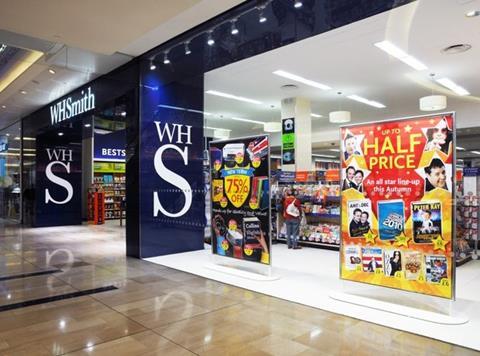
WH Smith investors can’t catch a break. Shares in the travel retailer plunged 18% this week after it issued its fourth profit warning in 12 months and sold discounted shares in exchange for a £100m cash injection.
The group’s airport concessions have struggled with the uncertainty caused by the Iran war, as air fares soared and global travel networks were disrupted. It resulted in the group lowering profit expectations for the year by another £15m to a range of between £75m and £90m.
A trading update for the 14 weeks to 6 June highlighted a deterioration in the troubled North American division as the retailer was forced to increase promotional activity while it battled softening consumer demand.
The latest profit warning followed an accounting scandal in August 2025 that wiped £40m off US profits – and tanked the group’s share price by 42% in a single day. Former CEO Carl Cowling resigned over the scandal in November that year.
Despite a minor bump in share price at the appointment of turnaround veteran Leo Quinn as chief executive in January, further updates from the troubled group have only sent WH Smith’s equity tumbling further. In April, management suspended dividends after airport refurbishments and inflation cut into profits.
This week’s news of a fresh £100m equity raise to stabilise the balance sheet and fund transformation efforts was “unlikely to spark confidence”, Freetrade investment writer Duncan Ferris said.
WH Smith issued 26 million new shares at 410p per share on Wednesday, a significant discount to Tuesday’s trading price of more than 500p.
The cheap buy-in helped WH Smith raise £106m – but also contributed to a further collapse in value for the stock, which was trading at 434p by the end of week.
That gives WH Smith a market cap of just £550m, down from more than £3bn at its pre-pandemic peak.
Quinn bought more than £1m worth of the new tranche. He told investors the raise was necessary to keep debt in check while carrying out a total transformation.
“Sorting legacy issues while investing in the core model requires the financial flexibility of a stronger balance sheet in lock-step with self-help. This placing is a prudent and proactive step to accelerate our transformation,” he said.
The group expects “significant” one-off none-cash impairment charges of up to £150m this year as it closes unprofitable stores, reviews its US business model and restructures its global operations.
Peel Hunt analyst Jonathan Pritchard called the equity raise a “wise” plan, given the need for clean funds for the company’s restructure.
But he added the tough quarterly results made it “difficult to see anything but gloom” for the company’s short term prospects, as like-for-like sales in the group’s US division – formerly a growth engine – fell by 1%.
“The US venture is looking ill-starred, and it will take a long time for the company to bounce back.
“Unfortunately, whichever metric you look at, in the US over the last two months it looks grim.”
AJ Bell’s Dan Coatsworth called it a “tricky situation”.
“It’s not the best conditions to go cap in hand to shareholders,” he added. “The decision to go all-in on the travel sector last year was unfortunately timed given what’s happened in the Middle East. There isn’t a lot the company can do apart from shore up its finances in the hope a cash injection will help it battle through.”

No comments yet