


ABF FoodCo will be the UK’s largest listed food manufacturer
Odd bedfellows Primark and Associated British Foods are finally separating. It’s a move long anticipated by markets, and bang on trend with the breakup of other fmcg giants – including Unilever, Kraft Heinz and Kellogg’s. But has ABF’s majority owner, the Weston family, just gone with the crowd, or will it deliver real value?
ABF FoodCo will be spun from Primark by the end of 2027. Both companies are expected to trade on the FTSE 100. FoodCo will be the UK’s largest listed food manufacturer, operating across 52 countries, with sales of £9.8bn and 55,000 employees. Both will remain under the Weston family’s control.
The argument presented to shareholders – who will own stock in each following the split – is that their values tied together are suppressed. Primark has been weighed down by poor understanding of the food business, which in turn has been overshadowed by market darling Primark.
“The thesis is that focused oversight, management and scrutiny will benefit both businesses enormously,” says Rothschild & Co global head of consumer Akeel Sachak, lead financial adviser to ABF.
Unlike conglomerate peers such as Unilever, Primark and ABF’s food business already have devolved decision-making processes, making separation a relatively clean cut. Dys-synergies are expected to come in under £45m, with £75m one-off costs.
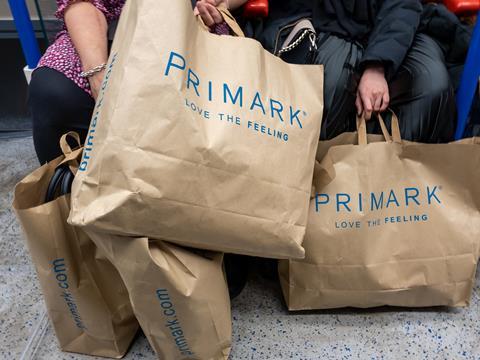
Most commentary has focused on Primark – which retail investors have long wished to see cut free from what they perceive as a food business dragging down performance.
But that ignores the benefits to a food business that currently “nobody understands, because ABF is predominantly researched by retail analysts, and the public market investors are predominantly retail investors”, says Sachak.
“So when you’ve got an already complex food equity story, and you’re putting it in front of investors and analysts that don’t understand food, it’s further compounding the difficulty.”
Diverse portfolio
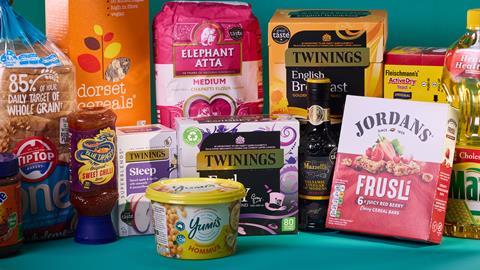
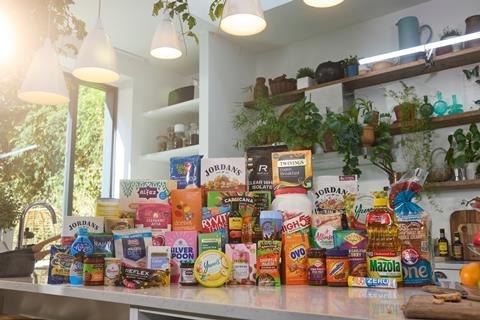
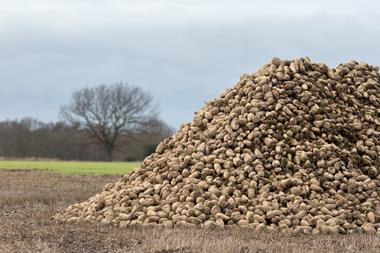
FoodCo is also genuinely complex, and ABF has warned significant “investor education” will be needed to make the case for a strong valuation. Not only does it hold brands such as Twinings, Kingsmill, Jordans, Ryvita and Blue Dragon, it is also one of Europe’s largest sugar producers, owns one of the world’s pre-eminent yeast manufacturers, and runs an upstream agricultural arm.
“There’s nothing else in the UK with the scale, international scope, or market leadership in its subcategories”, says Sachak.
Such a diverse portfolio – with the cyclical sugar and agriculture segments set against defensive categories grocery and ingredients – will prove a benefit, according to Panmure Liberum analyst Anubhav Malhotra: “Greater standalone visibility should better highlight the underlying strengths of these businesses, which we believe are underappreciated.”
But the split may also increase FoodCo’s exposure to scrutiny in a highly volatile market.
The announcement followed challenging first-half results, with grocery profits down 20% due to higher cooking oil and cocoa costs, while the sugar division posted a £27m operating loss. Allied Bakeries’ persistent losses over the last decade have cost the group hundreds of millions, analysts add.
Investors sense FoodCo has been getting away with hiding behind Primark’s vast profits, an impression that must be dispelled if it is to win any re-rating on the stockmarket.
“ABF has a big journey over the next 18 months,” says Bernstein’s William Woods.
“There is broad negative sentiment towards these businesses, not helped by current trading and management’s lack of disclosure, which will need to be improved.”
Signs point to a management team already engaging with such issues. Alongside ABF’s insistence that both companies will boast “strong balance sheets”, the group has over recent years rationalised manufacturing of Azucarera in Spain, closed its unprofitable Vivergo bioethanol plant, and agreed a merger with Hovis – the significance of which investors have yet to fully grasp, says Sachak.
Going solo will bring out its underlying strengths for the decades ahead, he says. “This is the right long-term decision, irrespective of current trading. It’s setting the business up for the next 50 years.”


No comments yet