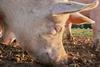
Pink Pigs rooting in the soil for food with their snouts

Source: Getty Images

Abattoir breakdowns, falling demand, trade turbulence and soaring energy costs have all contributed to a ‘perfect storm’ for the sector, according to industry sources

The pork sector has reached a crisis point as pigs back up on farms and have nowhere to go, the industry has warned.

Abattoir closures and breakdowns, falling demand, trade turbulence and soaring energy costs have all contributed to a ”perfect storm” for the sector, according to industry sources.

In a situation that has been worsening since autumn, the sector is facing a “huge supply versus demand imbalance”, according to National Pig Association chief executive Lizzie Wilson. 

She warned that Morrisons’ decision to cut its number of suppliers into its Woodshead abattoir last week was representative of a wider issue as processors cut producer contracts.

“All the processors have been giving a proportion of producers notice on their contracts as they try to better reconcile their supply chains,” she explained, which could leave farmers without routes to market. 

“Pork could be a home-grown success story, but once contracts have been rescinded and producers have no other choice but to significantly reduce pig numbers or exit entirely, it’s lost forever,” she added. 

She warned that the end of the year would be a “critical point” and gave a six-month window for a turnaround. 

“Will supply have tightened enough and demand improved to bolster the market? Will some of these contracts be reinstated? Or will it just be carnage?” she said. “It is a huge risk for producers to take hoping they will be able to sign another contract in six-months-time.”

This comes as costs have increased for producers with AHDB analysis estimating the cost of production is up 2p in the first quarter of 2026 compared with the last quarter of 2025. In the same period, pig prices decreased by 13p, from £2.01 to £1.88, and feed costs, which make up 60% of costs, rose by 1p.

The organisation said finance costs had also increased by 1p, with fuel and energy costs surging due to the Iran war.

These problems are being felt particularly harshly in Scotland, with NFU Scotland policy manager Penny Middleton warning the sector was already at “crisis point”. Prices in Scotland are up to 30p/kg below the UK price, with producers losing between £700 and £1,000 per sow place. 

“There is a very real risk we will lose producers as production becomes unsustainable at current prices and producers simply do not have the reserves to see them through this period or simply do not see a future for the sector,” she added. 

Middleton added that the devolved nation’s pork sector now “sits on a knife edge” as, as well as the risk to producers, she asserted a further loss of sows could put Scotland’s last abattoir at Brechin at risk. 

Wayne Godfrey, CEO of Browns Food Group, which owns the Brechin abattoir, was more cautious, adding that the sector was used to cyclical demand.

The sector was in a “bit of a downward cycle”, he said, but producers had just come out of a “strong, strong period”. 

“They have hopefully managed to strengthen themselves,” he added. “Pig production is not in a good place, but it should bounce back.” 

He said that market challenges could be eased by consumers buying more locally produced pork, something Middleton echoed as she called on retailers to push domestic pork on shelves. 

She also called on government to provide financial support to the sector. In the longer term, she said Holyrood needed to procure more Scottish pork; cautioned Westminster against implementing unsupported animal welfare regulations and prohibit imports produced to lower standards; and called on retailers to push domestic pork on shelves.

Challenges in the UK market are being exacerbated by overseas disruption including African swine fever in Europe and changes in trade flows, according to Sofina group agriculture director Graham Wilkinson. 

He added “continued downward pressure on the market is being felt across the industry”.

Cranswick CEO Adam Couch reiterated these concerns, warning that European prices were “markedly lower” than in the UK and that there was a general reduction in the European herds that would take 12 to 18 months to come through.