


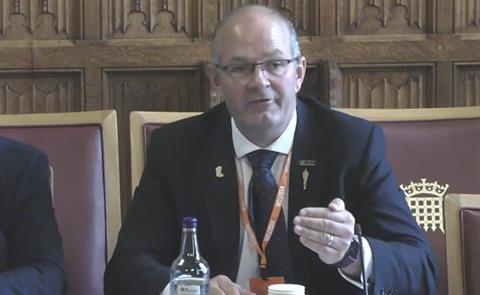
NFU president Tom Bradshaw has dismissed the “underlying assumption” by government that the EU reset will immediately drive economic growth, warning “it will take a lot of effort to rebuild those markets”.
Giving evidence to a House of Lords European Affairs Committee inquiry this week, Bradshaw said the proposed sanitary and phytosanitary deal with the EU runs the risk of becoming a “political hot potato”.
Regaining lost market access was not guaranteed after half a decade of regulatory divergence, he added.
“Just because they are our closest [trading] partner doesn’t mean there are empty spaces there waiting for British product. It’s been filled from other sources, and we have to win that market back – not make an assumption that it is just waiting for us – it will take time,” he told peers.
“We are no longer aligned, and have taken advantage of regulatory autonomy,” he added. “We’re also very concerned about the government setting an end point to negotiations. We’ve seen previously when the [Conservative] government did it with Australia [with Liz Truss’ free trade deal]. That ended disastrously.”
The deal is due to be agreed this summer, with full dynamic alignment expected by mid-2027, according to government communications.
Bradshaw called for a “fair deal” that recognised where there had been divergence and ensured “we have the carve-outs and transitional arrangements we need”.
The NFU had concerns around animal health in particular, citing the EU’s tackling of avian influenza. “We’ve got to make sure we can control it properly,” Bradshaw urged, while calling for the issue to be taken into consideration during the current negotiation period.
Any assumption the EU would allow the UK to take its own decisions when it came to control zones and moving animals between them, was “very naïve”, he claimed. “We’ve got to make sure we’re not just in a hurry to get this done – we’ve got to get it right. If that takes more time, that’s our position.”
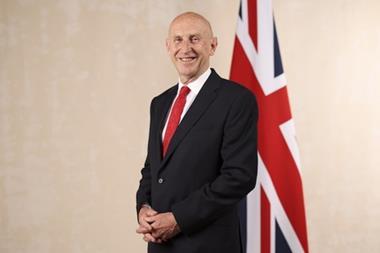
Giving evidence alongside Bradhsaw, new British Meat Processors Association CEO John Powell said the practical impact of export health certificates, veterinary sign-off requirements and border procedures had created “significant additional burdens for meat processors and exporters, particularly small and medium-sized businesses”.
Many of these had either scaled back or ceased exporting to the EU altogether because compliance costs now outweigh commercial returns, Powell said.
And while he agreed on the importance of safeguarding high production standards and improving trading conditions with the EU, Powell stressed the “immediate operational and commercial need for measures that reduce export bureaucracy and restore smoother market access for UK meat businesses”.



No comments yet