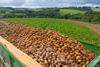
Hundreds of thousands of potatoes are expected to be wasted due to a never seen before level of potato glut, a leading supplier has warned.
Potato growers are facing such large volumes of potatoes that they are struggling to find a home for them, chairman of Nationwide Produce, Tim O’Malley, told The Grocer.
“I’ve seen gluts of spuds before, but never to this level,” said O’Malley. “And it’s not just an issue here. “The Continent is as bad, if not worse.”
He explained: “Basically, if you have a poor or even average quality sample sat in your store at the moment, and you haven’t got a sales contract, you’ll struggle to find a home for them.”
While it was “difficult to get a grip on just what volume has been dumped and what is likely to be dumped, as it’s not something growers are proud of”, from O’Malley’s understanding, tens of thousands of potatoes have already been disposed of this year, with far more to come.
Scott Walker, CEO of GB Potatoes agreed that there was now “no real disposal route for potatoes”.
This has been caused by a combination of factors including the weather being “great for growing potatoes” not just in the UK but also in Europe, according to Walker.
“If Europe had had a bad spell and we’d had a good spell it would have probably worked itself out fine, but you had UK and Europe at the same time having that good weather that allowed a lot of potatoes to happen,” he said.
O’Malley added the two previous seasons of potatoes were also short making prices and demand “relatively strong” and making it a more financially sensible choice than other crops for growers.
At the same time, fresh potato demand has continued to decline from 1.3kg per week per household in 1974 to only 326g in 2024.
Most growers have a combination of contract and free buy potatoes in their portfolio. Contract potatoes have already been sold either into the fresh potato supply chain or processing ahead of time, free buy often acts as a buffer and is the part of the market “that is in collapse,” according to Walker.
Those that operate just in the free buy market are having an “absolutely terrible” time, he added.
“It’s soul-destroying for a grower to dump their perfectly good, edible crop,” O’Malley added. “It’s also financially devastating, particularly after a season with four heatwaves, so on top of everything else, you’ve spent a fortune on irrigation.”
This is also a problem in Europe, and O’Malley said millions of tonnes were being dumped across the continent with growers in some countries paying €25/tonne to dispose of their extra crop.
The scale of the challenge is such that anaerobic digestion plants are closing their doors and stock feed merchants are offering nothing even on delivery.
One grower was told: “The price is nil, you deliver and I’m inundated, so join the queue. Oh, and don’t turn off your fridges because if they’ve sprouted, I’ll reject.”
O’Malley added: “The question for UK growers nowadays is not just what can I grow profitably, but what can I grow that will not make a loss? With huge inflation on fuel, fertiliser and packaging and lower contract sales prices for most crops, it’s a dilemma.
He said this was having a direct knock-on effect on land use in the UK. While his growing operations often struggled to find land to expand into, this year “we’ve never been offered so much good land, which is a sign of just how disillusioned UK farmers are with growing veg”.
He added that support from the government had been met by “natural scepticism amongst UK growers” especially after the Inheritance Tax crisis last year, which O’Malley said was “the most ill-conceived, poorly executed, totally unjustifiable tax hike ever to hit UK farming”.
The supplier boss has called on Defra’s Angela Eagle to try to reverse the rising reliance on imports facing the UK as “growers need all the help we can get”.
Looking ahead, Walker anticipates that prices will improve and will be in a “better balance,” however the the Iran war is set to impact costs for the season ahead.
”If prices still stay elevated, as it looks, as they will do, that’ll have an impact on next year’s crop, but that’ll be part of the price negotiations for next year,” he added.


No comments yet