




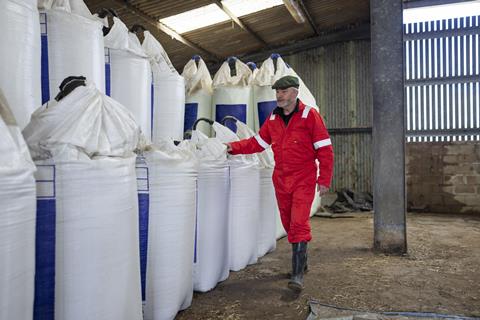
The NFU has warned farmers will soon be left “facing tough decisions” about whether to grow crops with reduced fertiliser applications, “or whether to plant at all”, due to the impact of the Iran conflict.
Speaking as the war passed its 100th day this week, and after setting out its key asks to government in a Fertiliser Action Plan, the farming union called on ministers to set a “trigger point” for direct support should fertiliser prices top £500/t again – mirroring EU compensation schemes.
NFU president Tom Bradshaw additionally called on government to postpone the rollout of the Carbon Border Adjustment Mechanism (CBAM) – a planned carbon levy on imports of emissions‑intensive goods such as fertiliser – warning it risked pushing up input costs further by effectively adding a carbon price to overseas supply while creating additional friction at the border.
Alongside this, the NFU is calling for AHDB to step up guidance on nutrient management to help farmers avoid damaging yields if they cut back on fertiliser applications, as well as for far greater transparency in fertiliser markets. It is seeking clearer data on trade, stocks and pricing to help growers make more informed fertiliser buying decisions.
The union stressed the UK was “particularly vulnerable to global shocks”, with the country importing around 60% of its nitrogen fertiliser and the remainder processed or produced domestically using wholly imported ammonia.
Disruption in the Strait of Hormuz continues to impact farmers and growers.
In April, fertiliser prices had increased by almost 40% compared with pre-war levels and remain elevated, the NFU said. The price of fertiliser has already exceeded £500/t several times since the conflict began, with urea having reached £635/t and imported ammonium nitrate hitting £535/t in April, the union noted.
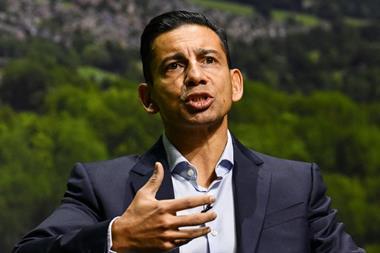
“The increasing costs of fertiliser, energy and fuel in the run-up to this year’s harvest has already made things incredibly challenging for farm businesses,” Bradshaw said.
“While the 2026 harvest is yet to begin, farming is all about looking ahead and many will already be turning their attention to making decisions about next year’s crops.”
Fertiliser for 2027 “must be affordable. It is vital both industry and government take the necessary actions now to help ease this strain,” Bradshaw urged.
“In the long term, it all comes down to resilience. We can’t keep being collateral damage to global politics. We need to find ways to build fairness, transparency and support into our domestic food production system so we can continue to feed 70 million people three times a day.”






No comments yet