





The NFU has cast doubt that the Chancellor’s move to scrap import tariffs on over 100 everyday food and drink items will tackle inflation, and slammed the government’s instinct “to look overseas” in times of crisis.
With almost 90% of the UK’s food imports already duty-free, NFU president Tom Bradshaw said he was “not convinced” further tariff removals – as set out in the Treasury’s list, published today – would “help curb food price inflation”.
And as consumers were facing the prospect of higher food prices, “farmers too are bearing significant cost increases due to the conflict in the Middle East”, Bradshaw argued.
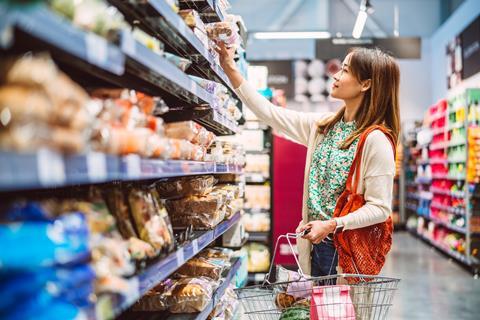
The full list (see below) includes proposals to remove tariffs on a raft of food and drink items typically imported into the UK, from olives and bananas to avocados, green tea, aubergines and citrus fruits.
However, it also includes products that are widely manufactured by British businesses in the UK, including bread, margarine, biscuits, crisps, sugar confectionery and chocolate bars.
‘Worrying signal’ for farmers
As a result, the government’s decision to temporarily remove tariffs – a move the Treasury last week said would save shoppers £150m a year – was slammed by Bradshaw as “sending a worrying signal”.
At times of crisis, the instinct of ministers was “to look overseas rather than to strengthen domestic food production and reduce exposure to global shocks”, he said.
The tariff proposals were also given short shrift by Lee Stiles, secretary of the Lea Valley Growers Association, who said policymakers “are only interested in making imports cheaper whilst burdening British growers with one of the highest tax burdens in the developed world”.
He added: “The question British growers are asking themselves is what does the government have against British food?”
Meanwhile, Fresh Produce Consortium CEO Nigel Jenney described the move as “so ridiculously modest, it’s hilarious. Most of those products will have a very low tariff if at all”.
The government’s new Farming & Food Partnership Board had been created ”to build resilience and confidence across the farming sector – that’s what needs our focus”, Bradshaw added.
“Rather than looking at further tariff reductions, this is the time for government to back British food and farming,” he urged. “Alongside adopting immediate measures that would help keep on-farm cost inflation under control, we urge ministers to back efforts to boost resilience in our food systems.”
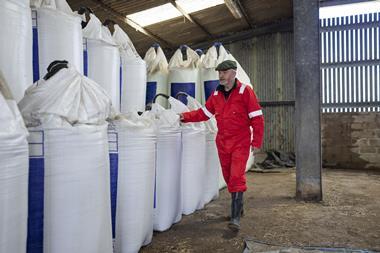
A host of key short-term actions proposed by the farming union included improving transparency around fuel and fertiliser prices, postponing “inefficient” FSA control charges which impacted medium-sized abattoirs, and suspending import duties on critical inputs such as fertiliser including urea (6%) and ammonium nitrate (6%).
As part of its tariff suspension proposals, the government also said it was “considering taking action on fertiliser tariffs, noting the importance of fertilisers for food production” and the vulnerability of supply due to the Iran conflict. However, it said this work would exclude urea ammonium nitrate.
“Supporting our food producing businesses will ensure a strong domestic supply of food, with farmers and the public less vulnerable to global price shocks, meaning food price stability and long-term affordability,” Bradshaw said.
“Chasing cheap food in the short term threatens to undermine our long-term domestic food production and the shared ambition for a sustainable food system.”
Bradshaw, Stiles and Jenney’s comments echo those of British Retail Consortium director of food and sustainability Andrew Opie, who said to support shoppers, the government instead needed to “focus on the UK’s farmers, food producers, and retailers by cutting energy bills. While any assistance is welcome, cutting tariffs alone will barely touch the sides in offsetting the rising costs supermarkets face”.
‘Pathetic effort’
Elsewhere, a senior food sector source told The Grocer “the UK has a £200bn grocery market and they are cutting tariffs on 0.06% of that market. It really is a pathetic effort which will do almost nothing to help companies facing one of the biggest energy crises in history”.
It comes as Food & Drink Federation CEO Karen Betts last week said removing tariffs on products already made in the UK “undermines rather than supports those businesses and the people they employ”.
Instead, government should remove tariffs on ingredients “and address the root causes of food inflation, including by rigorously prioritising burdensome regulation”, she insisted. “Otherwise this risks benefiting overseas manufacturers at the expense of our domestic food system.”
Building on an earlier tariff suspension on some food items in April (such as pasta, juices, tuna and oranges), the Treasury’s new, “targeted” tariff cuts are subject to industry consultation and would run until December 2028.
The Treasury last week stressed tariff suspensions were focused on products for which there was little or no production in the UK.
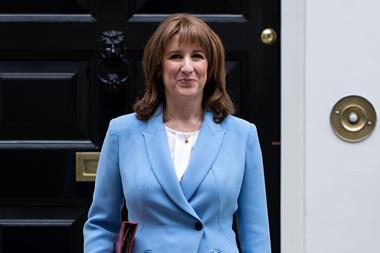
“People are worried about what the conflict in the Middle East could mean for their food bills,” Chancellor Rachel Reeves said last week. “That’s why we’re suspending select food tariffs, easing pressure on household budgets while continuing to support British farmers and keep our food supply secure.
“We’re working closely with supermarkets, producers and suppliers to protect family finances and ensure farmers can continue producing high‑quality British food.”
The Treasury’s list includes:
- Garlic
- Gherkins
- Aubergines
- Sweet peppers
- Other peppers (capsicum/pimenta)
- Olives (fresh/chilled)
- Olives (for oil production)
- Olives (Frozen)
- Plantains (fresh and dried)
- Bananas (fresh and dried)
- Limes
- Citrus fruits (various)
- Avocados
- Fresh figs
- Dried figs
- Other fresh fruits
- Frozen fruits
- Dried apricots
- Dried apples
- Dried peaches/nectarines
- Dried pears
- Dried papaya
- Mixed dried Fruit
- Mixed nuts
- Mixed fruit and nuts
- Green tea
- Buckwheat
- Fonio
- Quinoa
- Olive oil (extra virgin)
- Olive oil (virgin)
- Olive oil (other)
- Margarine
- Mixed fats and oils
- Vegetable oils
- Chewing gum
- Liquorice products
- White chocolate
- Marzipan and pastes
- Throat pastilles
- Sugar confectionery
- Boiled sweets
- Toffees and caramels
- Sugar tablets
- Cocoa paste
- Cocoa powder
- Chocolate (bulk and retail)
- Chocolate bars
- Chocolate with fruit, nuts or cereal
- Chocolate spreads
- Chocolate drink preparations
- Couscous
- Crispbread
- Gingerbread
- Biscuits
- Waffles and wafers
- Rusks
- Toasted bread products
- Bread
- Pizzas and quiches
- Pickled peppers
- Prepared Vegetables
- Crisps
- Processed potatoes
- Baked beans
- Preserved beans
- Preserved vegetables
- Preserved tropical fruit
- Candied fruit
- Jams and marmalades
- Preserved citrus fruits
- Mixed preserved fruit and nuts
- Tomato ketchup
- Tomato sauces
- Soups and broths
- Non-alcoholic beverages
- Plant-based drinks
Source: HM Treasury. List includes products with multiple commodity codes




No comments yet