





The food sector has a privilege problem – and I’m part of it. Gloating about privilege won’t help, but hiding it won’t either.
Out-of-office replies are piling up in my inbox, a sign that many in the food sector are taking a well‑deserved summer break. I have too. Rest matters. But for many working in food, the ability to switch off isn’t an option. This isn’t about guilt-tripping anyone lucky enough to be away, whether in the Cairngorms or Corfu. Holidays are great. But they’re also a form of socio-economic privilege – and privilege is something we still struggle to talk about honestly.
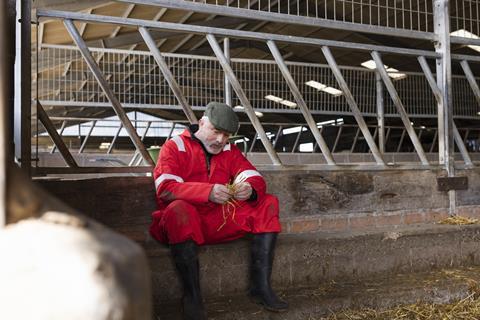
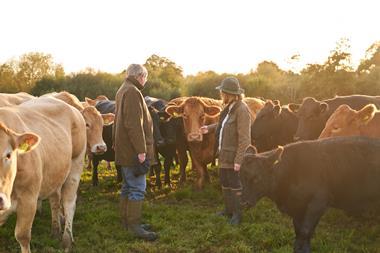
Plenty of people in the sector simply can’t afford a holiday. Others work in roles or have caring responsibilities that run 365 days a year. Take farmers. Those who took part in our Dairy Project a few years ago told us about the twice‑daily milking treadmill that makes leaving the farm almost impossible. Many could never contemplate a foreign holiday, let alone afford one. If only some of us are able to relax, then no one should feel comfortable.
Even my own platform – including more than 50 columns for this magazine – is a form of socio-economic privilege. That’s a microphone not everyone is handed, and I’m grateful for it. But I’ve often avoided writing about my own privilege.
As a 50‑year‑old white man who grew up in a leafy suburb, I’ve never been the target of a racist attack. I’ve never had to worry about access to good food and I’ve never queued at a food bank. For years, I’ve felt awkward acknowledging my privilege, worrying that naming it might undermine my legitimacy to write about injustice in the food system.
But silence doesn’t shift power and embarrassment doesn’t drive change.
Privilege isn’t something to apologise for. I’ve learned that I need to share power better, to use my privilege intentionally, not performatively. I’m on a learning curve and will sometimes get it wrong, so bear with me.
Sharing power better
Those of us with privilege – whether through race, class, gender, wealth or job security – have a responsibility to use it well, including to dismantle the barriers others face. Take representation in the charity sector: we cannot keep hiding behind the excuse that ”the sector is predominantly white” as if that absolves us of responsibility for taking positive action to improve racial diversity. It doesn’t. If anything, it raises the stakes. We need to tear down the barriers of discrimination that are preventing – or deterring – many black and people of colour from being active participants in the sector.
So, what can we do in food and farming?
Begin by supporting organisations led by the global majority such as Culture Roots Collective, a hub for black and people of colour working in food and farming.
Take disability justice seriously, not as a tick-box exercise but as a design principle. Platform youth voices through organisations like Bite Back, Emergent Generation and the UK Youth Food and Farming Forum. And much more besides.
Specifically, what should The Grocer and its readership do? Challenge concentration of power. Pay everyone fairly. Commission and elevate the lived experiences of people most affected by injustice in food and farming, including people from non-white ethnic minority backgrounds, who are much more likely to be facing food insecurity.
Speak out consistently against racial injustice and discrimination. And consider whether the sector really needs quite so many columns written by white, middle‑aged men like me.
Dan Crossley is executive director at the Food Ethics Council






No comments yet