
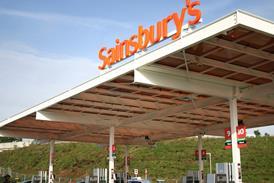
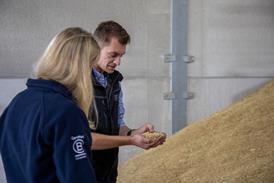



Did you notice Sainsbury’s has committed £5bn to lock 60% of its fresh, dairy, meat, fish and poultry own-brand suppliers into agreements lasting more than five years? By the end of 2026, that will cover over 2,500 farms.
Long-term commitments with own-label suppliers are not a new idea. Aldi has operated this model for years. A full-line multiple, though, would normally play two or three suppliers against each other to keep them on their toes. The signal it sends is significant – but have brands even seen it yet?
The conversation around these deals tends to focus on farming, supply chain stability, animal welfare investment, sustainability, etc. All of that is real but it is not the whole story. More consequential is what happens on shelf over a five-year runway.
A long-term partnership with own-label suppliers creates something that short-term relationships simply cannot produce: sustained investment. They can plan product development over years rather than seasons. They can iterate on quality and build consistency in a way that genuinely resonates with shoppers. The outcome is own label that gets better and more deeply embedded in shopper habits.
This is where branded suppliers should be paying attention. As that quality gap closes in fresh, dairy, meat and poultry, the brand premium becomes harder and harder to defend.
Aldi and Lidl have already successfully removed any stigma of own-label purchasing in the UK. The longer a retailer and its own-label supplier work together, the stronger that dynamic becomes. Better product and shopper experience will drive repurchase away from brands.
This crisis arrives gradually, but brands should be watching it now. No doubt they see this Sainsbury’s investment as a farming story – it has largely been framed that way. But the structure underneath it is a competitive one. It is a multi-year, well-funded project to build differentiation and deepen shopper loyalty, which shifts share from branded into own label. That is what long-term contracts enable.
The risk to branded suppliers
Branded suppliers recognise retailers need help to differentiate, and yet they don’t seem to ever do anything about it. So they get locked into a tactical game of annual business planning.
They need to ask themselves whether the quality, relevance and emotional connection they offer is durable enough to hold ground against an own-label proposition that is now being systematically invested in at scale, over time, with retailer commitment behind it.
That question has a practical answer. Sainsbury’s is also in a collaborative frame of mind with those brands that bring something to their differentiation party. The wave of collaboration is unnerving for brands that don’t trust it, and they invest with the brakes on.
Of course, that’s because there is no longer-term contract. Their aim should be negotiating a longer commitment, but it will only be possible for brands who grasp the differentiation need of the retailer and bring tangible strategies to use their brand strength to help that.
David Sables is CEO of Sentinel Management Consultants






No comments yet