






As the conflict in the Middle East continues into its fourth month, its impact on global supply chains is intensifying. Ongoing maritime instability has disrupted global trade, forcing shipping vessels to take longer and more expensive routes to avoid disruptions along the Strait of Hormuz.
This volatility has translated into higher prices for UK consumers. Prices for petrol have risen by 10% and diesel by 20% per litre, deepening the cost of living crisis seen since the pandemic and Russia’s invasion of Ukraine.
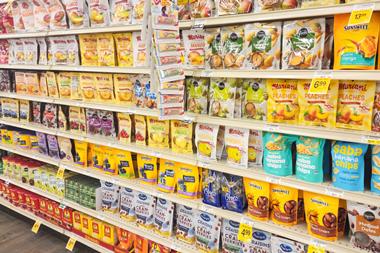
In response, the UK government, has proposed a second round of tariff suspensions on selected consumer products to ease the burden on consumers. This builds on tariff suspensions announced in April 2026 on 135 products that will remain effective until December 2028. Among the products in this announcement, some are agrifood products ranging from dried fruits and nuts to chocolate, bread and biscuits (13% of the UK’s agrifood imports), fertilisers (49% of fertiliser imports) and kerosene products (1.3% of kerosene imports).
Impact on the price of the product
The headline finding: this is likely to make little difference to prices because most trade in these products already benefits from reduced or zero-tariff rates. The UK’s existing free trade agreements (FTAs) and preferential schemes such as the Developing Countries Trading Scheme (DCTS) grant select countries lower tariff rates, as long as they comply with rules of origin. This reduces costs faced by the exporter at the border, encouraging more trade.
In practice, that means the suspension mostly overlaps with relief that already exists. From the list of products with active tariff suspension and products under consideration for tariff suspension, 80% of agrifood imports, 72% of fertilisers, and 83% of kerosene imports are eligible for and make use of preferential tariffs.
In agrifood, product categories with the higher import value – cocoa and cocoa preparations – already face a preferential tariff of 0%, with 84% of imports using the rates granted under existing preferential arrangements. Since most trade in these categories already benefits from reduced tariffs, the scope for price reductions on the product through tariff suspension is limited.
Limited gains for the consumer
The ultimate success of this policy depends on pass-through: whether the lower tariffs reach the consumer as lower prices. Consumers tend to capture a relatively small share of the gains from tariff reductions partly because their demand does not respond much to price changes. In addition, pass-through is typically strongest at the border, where a significant portion of the adjustment is absorbed by domestic importers and intermediaries rather than being fully transmitted to final retail prices.
This suggests that any reduction in final consumer prices may be limited. The academic literature also shows that products with longer shelf life show slower price changes at the consumer level, because firms seek to exhaust inventories purchased at pre-tariff cut prices. This matters because 87.1% of the 138 agrifoods under consideration for tariff suspension are non-perishable or goods with a relatively longer shelf life.
A tariff suspension is a direct way to remove some costs at the border, but it is not a direct tool to fix the cost of living crisis. Any potential benefits for consumers are likely to be muted due to high pass-through rates at the border.
What happens next will depend on market conditions, retailer behaviour, and the dynamics of each supply chain, none of which the government can control.
Sahana Suraj is a research assistant in international trade at the University of Sussex’s UK Trade Policy Observatory





No comments yet