



The Iran conflict and the closure of a key shipping route are already disrupting global supply chains. For the UK – a country which imports almost half of its food, including staples like tea, coffee, bananas and sugar – our food security depends not only on farmers and workers in the UK, but also on those thousands of miles away who are already grappling with climate change, volatile markets and chronically low incomes.
The impacts have been immediate, including rising energy and fertiliser costs, and higher freight and insurance premiums. Goods like tea and flowers have felt the shocks first, but the longer‑term effects spread across almost every supply chain and are hitting the most vulnerable groups hardest – particularly smallholder farmers.
For many farmers in Asia and East Africa who rely on imported fertiliser, sustained price rises force difficult choices: absorb higher costs or cut back.
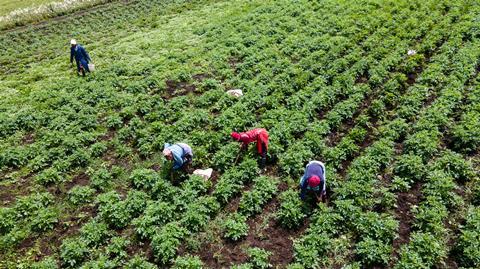
In Kenya, the cost of fertiliser has doubled – from 3,500 Kenyan shillings (£20) to 6,500 (£37) for a 50kg bag. These are huge increases for tea farmers like Luke Wahome, who earns just £27 a month and told us that even before recent price rises, his income was “not enough, not enough”. Most farmers like Luke are cutting back on fertiliser, knowing it will hit their future yields and their incomes.
The human cost of a global crisis
Tea factories are also spending more on fuel to make sure they can collect and process the freshly-plucked tea leaves the same day. Even farmers who have diversified are struggling to get their produce to market and secure buyers when they do. Meanwhile with the Middle East being the largest market for tea products from Kenya, demand has massively declined (including to Iran, which imported $32.8m worth of tea in 2024).
For the flower trade, the biggest issues are freight, fuel and fertiliser. With air freight costs unclear (some airlines not disclosing freight charges until the goods have landed or been delivered), it is extremely challenging for traders to plan ahead. The cost to freight flowers from East Africa has tripled from $0.40 to $1.20 per kilo. Many traders hedge their fuel so have set prices for three to six months, but when these prices expire, costs could spike again – and at that point, retailers may start cutting stems to save money.
Cocoa farmers are also impacted. One co-operative in Côte D’Ivoire told us more than 70% of its members can’t access the inputs they need for the coming season. Combined with high living costs and low cocoa prices, some are considering abandoning their farms altogether.
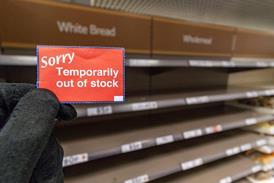
Shipping routes for all these products are also impacted. Some vessels are being rerouted around the Cape of Good Hope, adding weeks to transit times and pushing up costs. Coffee producers in East Africa and South East Asia tell us they now require more expensive jute bags with liners to protect the beans on the longer, more humid Atlantic route – and that these bags are becoming harder to source. These cost pressures are already beginning to reach roasters and buyers in the UK, and are expected to filter through to supermarket shelves over the medium to long term.
A chain under pressure
These disruptions expose how upstream shocks disproportionately affect farmers and workers. Too often, the real burden falls on those least able to absorb it.
Building resilience requires investment. Farmers cannot continue to be the shock absorbers of both the global economy and the changing climate.
The UK food industry cannot afford to treat these disruptions as temporary setbacks. They are the new reality. Retailers and suppliers must act – paying fairer, more stable prices, committing to long-term relationships with farmers and investing directly in farm-level resilience.
The Iran conflict has simply exposed what many farmers have known for years: the system is fragile, and the people holding it together are stretched to breaking point.
With the right support from retailers, suppliers, governments and investors, farmers don’t have to face these challenges alone. But without that support, the future of many of the products we rely on – from tea to cocoa to coffee – becomes far less certain.
If we want resilient supply chains, we must invest in the people who make them possible. Not tomorrow. Now.
Kerrina Thorogood is partnerships director at the Fairtrade Foundation



No comments yet