




The conflict in the Middle East is having an immediate impact on energy and fuel costs, with petrol prices up by around 18% at the pump since it began. This directly impacts food production, which is energy intensive, with oil and gas involved at every stage in the process. If higher energy prices persist, cost pressures on households and businesses will continue to grow.
IGD forecasts warn that food inflation could briefly reach more than 8% by June 2026 if disruption to global energy markets persists. This comes on top of sustained inflation in recent years, with UK retail food prices now around 38% higher than pre-Covid levels – increasing pressure on household budgets, particularly those on lower‑incomes. Unsurprisingly, these wider impacts of the conflict are already causing concern and IGD’s Shopper Confidence Index has dropped to its lowest level since 2023.
This predicted rise also highlights how vulnerable the food system is to geopolitical shocks, leaving businesses facing tough choices. Absorbing costs erodes already thin margins, restricts investment, and weakens the food system’s ability to cope with future disruption. Passing on costs risks damaging consumer trust and affordability. Neither option is good.
The impact of cost pressures
Our recent Viewpoint analysis, produced in partnership with Oxford Economics, looks at nine everyday food products to understand how cost pressures have impacted them. It explores the pressures facing farmers, processors and retailers, and the extent to which businesses have been able – or unable – to absorb rising costs.
In January 2025, the entire chain generated just 29p profit from a £20.24 basket of nine everyday items, a margin of around 1.5%, compared with 2.5% in January 2020. Some staples, like chicken breast, are sold at cost; beef mince yields less than 1%.
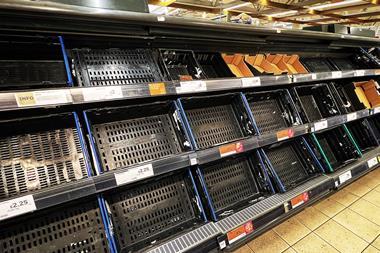
These figures predate the latest surge in energy costs but demonstrate that with so little headroom in the system, even short-lived shocks can translate quickly into higher prices on the shelf. When margins are already this tight, businesses have limited capacity to absorb volatility, invest in resilience or protect supply. Over time, that increases the risk of gaps on shelves and greater price instability.
The most sustainable route to moderating food inflation is not cost absorption, but enabling investment, improving productivity and availability, and avoiding adding unnecessary cost and volatility to the system.
That’s why policy must now focus on limiting additional cost pressures on the supply chain, reducing exposure to energy volatility, and targeting support at households least able to absorb further increases. The UK needs to implement the planned Food Inflation Gateway to assess the cumulative financial impact of regulation on the food industry, and establish a robust feedback loop to prevent new and existing policy having unintended consequences for food prices.
We also need to unlock government funding to provide food businesses with reliable and affordable energy, recognising its central role across production, processing and distribution. And we need to work with food businesses to develop joint government-industry interventions to support those most in need with access to affordable, nutritious food.
The food industry has repeatedly ensured that consumers are shielded from the full impact of global volatility, whether during Covid, the Russian invasion of Ukraine or other challenges. But this at come at the cost of squeezed margins. If we want a food system that is secure for the future, we must address the structural challenges now.
Only a coordinated national strategy, underpinned by close cooperation between industry and government, will protect both British households and the future of our food supply in these uncertain times.
Naomi Kissman is social impact director, at IGD







No comments yet