




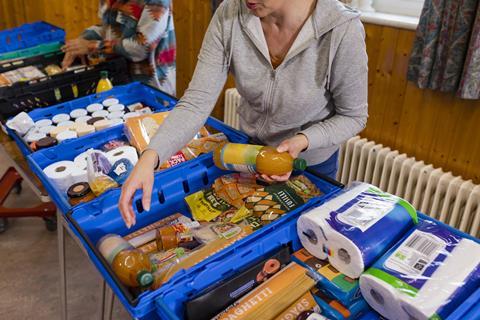
The retail industry has made real progress on food redistribution to charities over the past decade, with clear systems and strong partnerships now common across the sector, but that has not been the case for non-food retailers. For years, the industry has faced an odd contradiction when it comes to some surplus stock: wasting unsold non-food products incurred no tax, but donating them to charity could incur VAT.
Since 1 April, that barrier has been removed, with retailers able to donate eligible goods to registered charities for free distribution to people in need or without incurring a VAT charge, subject to scheme rules and value thresholds. It may sound like a tax technicality, but in reality, it should transform how retailers think about product surplus and could unlock tens of millions of pounds’ worth of essential household products for charities.
The mindset that product donations were the right thing to do, but not necessarily a core part of retail operations, no longer stacks up. Once the financial disincentive and much of the friction have been removed, there is less justification for usable goods to be written off, discounted or left in storage because internal processes have not moved with the times.
Donating surplus products to charity is now also a commercially viable option alongside markdown, resale and recycling – not something to be considered only when time allows. Any retailer still treating it as an occasional goodwill exercise is subscribing to an outdated model and missing out on the opportunity to create both positive social and environmental impact.
Meeting immediate needs
Across Neighbourly’s network, demand for these items is constant and efforts are designed to meet immediate needs. Warm clothing, household appliances and furniture, computers, tablets and mobile phones can make a transformative difference to families under pressure. For retailers, these products can also be awkward to store, expensive to clear and unlikely to deliver meaningful returns through markdown alone.
Smart retailers are already seeing this reform as a major commercial opportunity hidden inside a policy change. Done properly, these product donations can reduce warehouse pressure, cut disposal costs, simplify handling of slow-moving stock and create measurable community impact at the same time. In a sector where margins remain tight, ignoring it would be a missed opportunity.
However, policy change alone will not fix process gaps. For retailers to benefit, making these donations will have to be built into day-to-day store operations rather than left to goodwill or local improvisation. Store teams need clear guidance, supply chain teams need workable collection routes, and head office functions need alignment across finance, operations and ESG.
Beyond the new commercial opportunity lie other hidden benefits: human impact and the real-world stories. Customers and employees want to know where goods go, who in their local communities are benefiting, and positive impact created. Retailers that can evidence that clearly will not only benefit from the audit trail but realise that most valuable return on investment: the currency of trust.
Surplus can no longer be viewed simply as waste or a cost to minimise; it can be a source of great value. VAT relief has removed one of the biggest barriers to acting on that reality. Retailers have a choice: embrace a new commercially viable solution to surplus goods or continue operating a model that no longer makes financial sense.
Steve Butterworth is CEO of Neighbourly










No comments yet