The government needs to “move faster” to create more resilient supply chains and protect UK food production in the face of the country’s worsening climate risk, a group of food system leaders has warned.
The call follows the publication of the Climate Change Committee’s fourth independent assessment of the UK’s climate risk today.
With global warming on track to approach or exceed 2°C, the committee warned climate risks to the UK were intensifying and “undermining the UK’s security and prosperity”, while mounting public concerns around preparedness for climate change were well-founded.
Responding to the CCC’s ‘A Well Adapted UK’ report, the group of industry experts (including IGD CEO Sarah Bradbury, Food Foundation executive director Anna Taylor and Professor Tim Lang, emeritus professor of food policy at City St George’s, University of London), warned “food and nutrition security must be treated as national security”.
The CCC report made clear the UK was “simply not prepared for the climate risks it is already facing”, the experts warned. “These risks are already affecting the food system at home and overseas, building pressures on farm businesses, cost into supply chains and on to household food budgets,” they highlighted.
Adaptation urged
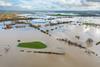
Alongside hotter heatwaves, UK peak river flows would be up to 45% higher by the middle of the century, while also lasting longer and becoming more frequent – driving increased flooding, predicted the CCC’s report.
Drier summers also meant shortfalls in water supply could reach over five billion litres per day, making drought more widespread, it added. And supply chains, especially those for food, needed to become more resilient to climate shocks around the world, it urged, stressing “adaptation cannot wait”.
A “new approach to adaptation in our governments to create national adaptation frameworks capable of driving the necessary action” was also urgently required.
The committee called for domestic food production as a share of food to be consumed be maintained at 60% at least, and among a host of other recommendations, urged the government to bring in maximum temperature rules for workplaces.
“We must not let either the complexity of the issue or the unknowns of the future stop us from setting sensible targets,” said CCC chair Julia King, Baroness Brown of Cambridge. “We must get on with the things we know can deliver significant improvement to people’s lives.”
In response, the panel of food sector experts, representing farmers, food businesses, trade bodies, NGOs and academics, said climate risks were “already affecting the food system at home and overseas, building pressures on farm businesses, cost into supply chains and on to household food budgets”.
Call for food resilience pan
“While we have a national plan for energy, there is no such plan for food,” they added.
“The group is urging the government to make a step-change and increase its ambition to invest in and protect UK nutritious food production, create more resilient supply chains and shield households from the growing impact of climate shocks and their inflationary effects; with an investment plan commensurate with the challenge. Communication and consultation with the public on why this is necessary must be a vital part of this plan.”
In practice, this meant “creating the policy, planning and investment environment needed to strengthen security of supply and reduce exposure to inflation”.
This included supporting farmers to shift to more climate-resilient production systems, and unlocking private sector investment in the farming, water, cooling technologies, cold chain infrastructure and logistics needed to keep the food system moving in a hotter, wetter and more volatile climate.
“The food system is ready to work with government. But the scale and speed of climate risk demand a step-change. A well-adapted UK must also be a food-secure UK,” the group said.
“Evidence piles up that society needs to change the food system, yet governments are bizarrely reluctant to act,” said Lang. “Worries about ‘nanny statism’ or infringing individual choice are no excuse for inaction. As this latest report shows, the impacts of climate change on food supply, health, ecosystems and costs are immense. What we eat and how it’s produced are big drivers. We must change and do it in an orderly society-wide way.”
Climate change was “already reshaping the UK food system, with record-breaking heat, persistent flooding and water stress disrupting yields and driving up costs”, Bradbury said. “The challenges facing the sector are unprecedented and they will intensify in the years ahead.”
Decisions made today across businesses, government, and consumers, would “shape the UK food system’s resilience and success for the future”, she added.
“The UK was the first nation to set out a Net Zero Transition Plan for its food system, but the Climate Change Committee’s latest assessment highlights that immediate action is essential.”


No comments yet