





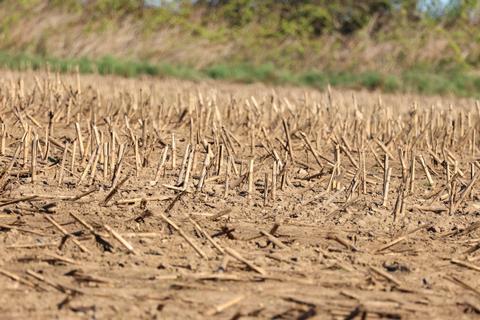
The upcoming El Niño weather event confirmed by the World Meteorological Organization is expected to challenge already strained food supplies, experts have warned.
The WMO confirmed El Niño conditions are developing and have an 80% likelihood of occurring during the summer.
The UN agency projected that while uncertainty remains about its strength and timing, most models suggest it will be “at least moderate – and possibly strong”.
“The world must treat it as the urgent climate warning it is. El Niño conditions will pour fuel on the fire of a warming world,” said UN secretary-general António Guterres. “Impacts will hit even harder, travel even farther, and cross borders with devastating speed.”
He urged for the ending of our “addiction” to fossil fuels as the only solution to this “crisis”.
The shifting weather patterns are anticipated to highly impact UK food supply over the summer.
“With global food supplies already under heavy strain from climate change and strangled fertiliser supply flows in the Strait of Hormuz, confirmation of El Niño is bad news,” said Gareth Redmond-King, head of international at the Energy & Climate Intelligence Unit. “It will turbocharge climate change by adding more heat to natural systems, further disrupting weather, and intensifying already dangerous extremes in many parts of the world.”
He added: “The havoc El Niño will wreak as it likely delivers another hottest year in 2027 will be devastating for many farmers, and a question of life or death for far too many people.”
As a country the UK is reliant on imports for two-fifths of its food supply and has faced three of the worst harvests in England in the past five years.
Nigel Jenney, CEO of the Fresh Produce Consortium, said the issue “reinforces the need to be flexible with our international supply routes”.
‘Vulnerable’ to collapse
Concerns were also raised by Gemma Hoskins, UK director of Mighty Earth who warned the weather event would “adversly impact key commodities that the UK imports, such as soy”.
“The complex global system of food production is already vulnerable to collapse due to geopolitical crises and a rapidly warming climate exacerbated by deforestation and agricultural pollution,” she explained.
“During the last El Nino, flooding in the south of Brazil and drought in the north, drastically disrupted the production of soy, which the UK is highly reliant on as feed for the intensive poultry industry,” Hoskins added. ”With soy harvests expected to be down, prices for animal feed will go up, with costs pushed to consumers.”
Farming in the UK has also become “more and more difficult” said Paul Tompkins, NFU deputy president, with extreme weather “putting a strain on farm incomes and hitting business confidence”.
He added: “We must strengthen resilience to climate volatility to help secure the future of our agricultural sector. That means investment in the UK’s water infrastructure and backing from government to help farms adapt to the changing conditions so they can continue to produce the country’s food.”
Expana warned last month that El Niño conditions could increase the chance of droughts, floods and heatwaves across multiple regions worldwide.
“Because agriculture depends heavily on consistent weather conditions, these disruptions can reverberate through food production systems, affecting crop yields, supply availability, and export markets,” the organisation said.
While it noted there would likely be minor impact on Europe, core markets like Africa, South America and Asia are anticipated to be more negatively impacted.
As Professor Richard Allan of the University of Reading warned: “Although El Niño does not have a noticeable influence on the British climate, because it disrupts weather patterns globally the damage from heatwave, drought and deluge across the world will affect the UK through economic and humanitarian factors.”
Hoskins urged immediate action to protect food security including “supporting climate-friendly farming and local supply chains, while transitioning away from resource-intensive commodities like beef and chicken, and growing more plant proteins, such as pulses and legumes”.






No comments yet