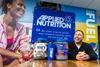
Applied Nutrition is working hard to get its products to Middle Eastern retail partners by land and sea as severe disruption to shipping channels panicked investors in the sports performance group this week.
Shares in the business, which has been a star performer on London markets since a 2024 IPO, sank 16% on Monday morning following warnings in its half-year results that the war in Iran would lead to reduced volumes in the region during the second half of FY26.
Applied recovered most of the losses over the course of the week and is now down just 3% over a five-day period. An 80%-plus increase in the share price in 2025 saw Applied promoted to the FTSE 250, which was up just 7% by comparison, at the year end, with the group now worth more than £500m.
Revenues at Applied soared 56.5% to £74.5m and pre-tax profits shot up 77.1% year on year to £20.9m in the six months to 31 January after the group upgraded expectations three times in the financial period.
It also maintained full-year sales forecasts at £140m despite the challenges in the Middle East, which accounted for a significant portion of the £34m in international sales in the first half.
Founder and CEO Tom Ryder told The Grocer the business had been hit in the short-term from diversions to containers already on the water before the war broke out at the end of February
“Other ports then filled up very quickly, leading to further diversions,” he said. “That was the short-term disruption we faced. Now we’re seeing the shipping lines create land bridges, where containers are sent to an unaffected country and then trucked into the Middle East. We are seeing solutions now and we have started capitalising on that and started shipping products out again.
“It’s longer transit and more expensive, for sure. But there’s solutions there. And the shipments on the water prior to the war are now being offloaded at nearby ports.”
Read more: Unnu strikes distribution deal with Applied Nutrition
Milo Bussell of Cavendish said: “Clearly the Middle East conflict may weigh on short-term sentiment and is a potential headwind for FY26 given it is Applied’s second largest geography by revenue, but the extent of the impact will obviously depend on the scale and length of the conflict. We believe management are actively finding solutions to get product on shelves, which should position them nicely once resolved.”
Wayne Brown of Panmure Liberum added: “Despite inflationary pressure in some categories, the group’s NPD and sales mix provides ample levers to sustain margins and expansion into existing and new customers over the last year underpins the growth outlook. There is some near-term noise surrounding the Middle East, which we will keep an eye on during H2, but in no way impacts our investment thesis.”
During the first half Applied Nutrition expanded its exposure in UK retail as it worked with Morrisons to launch a range of high-protein food products aimed at GLP-1 users. The partnership is the group’s first licensing agreement, but Ryder expected more to follow.
“The licence out to Morrisons was a complete milestone for us,” he said. “If you reversed ten years ago and asked if Morrisons would want to licence the brand, you could not have imagined it.
“For us, it was absolutely humbling and huge for us to see a UK grocer want to enter into that space and appeal to those consumers, and also to use Applied Nutrition to do it. I see a lot more opportunity going forward. We’re seeing a lot of inbound from Middle Eastern grocers and also completely different sectors, who want to put the Applied Nutrition brands on their products. The rate of sales for the Morrisons meals have been way above expectation. We plan to expand into more categories within Morrisons with more Applied Nutrition products.”


No comments yet