Soaring oil costs remain the key driver of pump price increases, with the CMA’s latest findings for March and April showing wholesale costs still account for most of the rise.
The watchdog began investigating retailer fuel margins earlier this year after pump prices for petrol and diesel rapidly increased amid the Iran conflict.
Its latest analysis indicated that elevated wholesale prices continue to explain most of the increase in pump prices in March and into April, with no evidence of retailers actively changing their pricing strategies to take advantage of the crisis.
It follows investigations into fuel margins between February and March, which on average remained “broadly unchanged” at 10.3ppl and 10.7ppl respectively.
Alongside wholesale price increases, wholesale price volatility, supply constraints and increases in demand are also factors that could be reducing retailers’ incentives to lower prices, the CMA added.
The CMA’s investigations also indicated that where certain individual retailers increased margins in March, this was partly due to retailers following competitors’ price increases and setting prices to mitigate supply constraints and inventory pressures, alongside differences in their purchasing costs.
It has noted, however, that average fuel margins for both supermarket and non-supermarket retailers remained at “historically high levels” and, in several cases, individual retailer margins increased slightly in April – bringing the average to 11.3 ppl.
The CMA said given the improvements to supply conditions in April – such as improved inventory levels and a pause in wholesale cost increases – it would be concerned if current high retail prices persist.
The CMA will publish its next update in August, which will look at market developments over a longer time period until the end of June.
“We know prices at the pump are putting real pressure on drivers’ pockets,” said CMA CEO Sarah Cardell. “While our analysis shows the rise in wholesale prices is the main reason for higher fuel prices, we remain concerned about weak competition in the sector leaving drivers paying more.
“Retailers should be in no doubt that we are continuing to monitor prices and margins closely and expect any reductions in wholesale prices to be rapidly and fully passed on to drivers.
“In the meantime, Fuel Finder can help drivers save up to £9 a tank. The more motorists make use of Fuel Finder-backed services, the better it works – saving money now and driving down prices in the long run.”
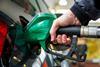
The CMA’s findings come as the average pump prices for petrol across the UK rose to their highest in more than three-and-a-half years, although there are signs they are falling again. Today’s (1 June) pump price averaged at 159.5p a litre for petrol, down 0.2p on Thursday’s high.
The wholesale cost surge in May, that took petrol over 5p above the worst at the start of the Iran war, has caused “less pain at the pump than feared”, added AA spokesman Luke Bosdet.
Diesel, meanwhile continues its downward march, averaging 183.6p as of today. That compares with a peak of 192.4p in mid April. During the early part of the Ukraine war, diesel set a record of 199.1p a litre in July 2022.


No comments yet