farmer carrying kale - getty

The research from Resolution Foundation revealed decarbonising food production is estimated to cost less than £1bn a year through to 2050

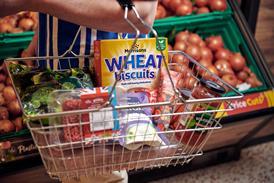
Decarbonising British agriculture would increase food prices by less than 1% or around 50p on an average weekly shop, new research has found.

The research from Resolution Foundation revealed decarbonising food production is estimated to cost less than £1bn a year through to 2050.

However, the Green Your Eats report – funded by the European Climate Foundation – found a mismatch between the low costs of decarbonisation and the existential risk they create for the worst-off farmers if they can’t pass these costs on.

This, the report said, reflected low levels of productivity for many farms, with almost a third making a loss in 2023-24 and the output of a typical family farm equivalent to wages of just £6 per hour – roughly half the minimum wage.

It warned that while the overall cost of decarbonisation was low, requiring farmers to cover these costs would drive average farm income down by a fifth (from £43,000 to £35,000 in 2023-24 prices).

“We can green British agriculture without emptying people’s wallets or destroying farmers’ livelihoods, but it requires the government to act decisively,” said Zachary Leather, economist at the Resolution Foundation. “The transition to net zero in agriculture is set to add just 1% to the weekly shop by 2050.

“But while the impact for consumers is small, pushing the cost onto farmers instead would pose big risks to their livelihoods.”

The report argued the government would need to manage the process carefully to preserve a farming sector already in crisis.

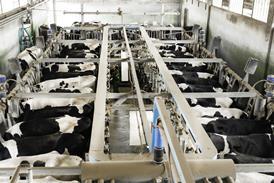
It revealed agriculture is the only major sector where emissions have barely fallen in the past 15 years and failure to make progress on decarbonising British agriculture this decade would add £12bn to the cost of achieving the UK’s net zero commitments.

Resolution Foundation said this highlighted the urgency with which the sector needs to accelerate its efforts.

Read more: 

The report recommended supply chain regulation requiring supermarkets and large distributors to drive progress towards greener farming. This would put the regulatory burden on the biggest and best organised actors, said the report.

Policy must ensure the costs of greening agriculture are borne by other parts of the supply chain, or through small increases in food prices, rather than by farmers who are already struggling,” added Leather.

The research suggested the conversion of farmland to forestry or restored peatland would also require subsidies and guidelines to ensure land is allocated efficiently and benefits distributed fairly.

Tenant farmers are likely to have “the most to lose from land use changes” which is why the research has suggested longer-term tenancy agreements to improve stability and investment incentives for tenant farmer, and requirements that landlords share new environmental revenue streams with tenants.

The report was welcomed by Tom Lancaster, land, food and farming analyst at the Energy and Climate Intelligence Unit, which said it was a “timely reminder of just what’s at stake if we don’t double down on reducing the greenhouse gas emissions that are driving our climate out of balance and costing the public and our farmers”.

“The evidence is clear that climate change is having a significant impact on food prices and farm incomes, with £361 added to the average household shop across 2022 and 2023 and extreme weather driving billions of pounds of losses for UK arable farmers since 2020,” said Lancaster. “These climate shocks exceed the costs of reaching net zero that the Resolution Foundation identifies and are likely to rise until we stabilise the climate, with reaching net zero emissions the only way to do that.”