
Close menu
- Home
- Retail & Wholesale
-
Products & Suppliers
- Back to parent navigation item
- Products & Suppliers
-
Product Categories:
- Back to parent navigation item
- Product Categories:
- Alcoholic drinks
- Bakery
- Cereals & breakfast
- Cheese
- Chicken & poultry
- Chocolate
- Confectionery
- Crisps, nuts & snacks
- Dairy
- Fish
- Fresh produce
- Frozen
- Household
- Meat
- Own Label
- Sauces & condiments
- Seasonal
- Soft drinks
- Vaping
- Vegan & plant-based
- World foods
- Suppliers
- People
- Reports & Data
-
Topics A-Z
- Back to parent navigation item
- Topics A-Z
-
Popular topics:
- Back to parent navigation item
- Popular topics:
- Cost of living crisis
- Crime
- Deposit Return Schemes
- Finance
- Government & Regulation
- Health
- Inflation
- Loyalty
- Marketing
- Mergers & Acquisitions
- New Product Development
- Sourcing
- Supply chain
- Sustainability & environment
- Technology
- Ultra Processed Foods
- Vaping
- A-Z all topics
- Content by type:
- Events
- Ask iA
- Subscribe now

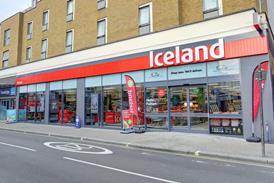




Easter spending trumps inflation fears, but shoppers set to cut back
By Stephen Jones2026-03-31T08:00:00

Source: matthewpjclark.co.uk for The Grocer
Increases to the price of Easter eggs buoyed grocery spend, but Brits will likely begin to cut back amid inflation fears, Worldpanel by Numerator warned in its latest market share data for March
Fears over the impact of the crisis in the Middle East are yet to drag on grocery spend, which was boosted as shoppers prepared for Easter.
Already have an account? Sign in here
Already have an account? Sign in here