





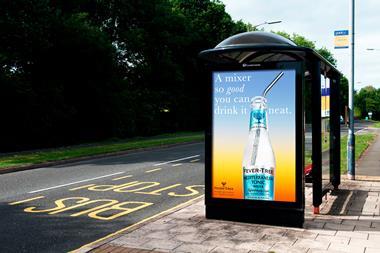
Profits at Fever-Tree have taken a hit as the group recognised the potential impact of the government’s packaging tax and bedded in its new partnership structure with Molson Coors in the US.
Adjusted EBITDA decreased by 16% to £42.4m in 2025 despite a 2% rise in revenues to £375.3m.
Fever-Tree made a £2.8m provision related to the extended producer responsibility levy in case its legal challenge against the Environment Agency fails. The drinks group said it remained confident its on-trade 200ml bottles fell outside the scope of the scheme and should be classified as non-household packaging and be exempt from the levy.
The Environment Agency has challenged this view, with Fever-Tree launching a formal legal complaint in recent weeks in reply. “As a result of this development, and given there is uncertainty in the outcome, from an accounting perspective the board now considers it prudent to provide for the potential incremental EPR liability,” the group said in its results.
Fever-Tree’s partnership with brewer Molson Coors also offset improved profitability across the rest of the group as it recognised a share of US profits rather than consolidating its full margin for the first time. The partnership, which included a minority stake sale to Molson Coors, also led to transition-related costs and increased marketing investment. But Fever-Tree said the deal established “a significantly broader and more scalable platform for profitable growth”.
“2025 was a pivotal year for Fever-Tree,” CEO Tim Warrillow added. “The strategic partnership with Molson Coors in the US creates a significant opportunity to take Fever-Tree to the next level in our largest growth market. The transition has progressed well, and it has been particularly encouraging to see that underlying brand momentum has remained strong throughout.
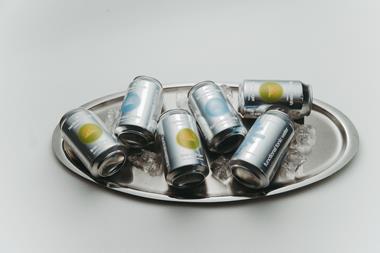
“Across our markets, the long-term trends shaping adult socialising, namely premiumisation, moderation and longer, lighter serves, continue to play directly to our strengths. Fever-Tree is increasingly enjoyed as the world’s leading premium mixer, but also as a premium soft drink. Products beyond tonic now represent 45% of group revenue, a clear sign that our diversification strategy is resonating with consumers.”
Fever-Tree maintained its expectations for 2026 despite the dispute over the EPR levy and the uncertain geopolitical backdrop.
“As we enter 2026, Fever-Tree does so from a position of strength,” Warrillow said. “We have a premium brand with unmatched credentials, an ever-growing market leadership position, upweighted marketing plans, a broader and more relevant portfolio, and scalable platforms in place across our priority markets.”
Fever-Tree’s revenues in the UK slipped 2% to £108.4m last year, with the performance improving in the second half thanks to a strong showing in the off-trade. Sales in the US rose 3% to £131.9m (6% on a constant currency basis) and by 2% in Europe to £94.7m. In the rest of the world, revenues jumped 17% to £37.7m.






No comments yet