



Functional soft drinks sales grew at a faster rate than low & no alcohol products in the first four weeks of the year, according to new data.
Across cola, flavoured carbonates, lemonade, sports and energy, functional variants grew by 28.5% to £11.3m in January, NIQ data shows [4 w/e 25 January 2026].
By contrast, low & no alcohol sales climbed just 3.4% to £29.3m over the same period. Meanwhile, the wider soft drinks category grew value sales 5.2% to £461.1m.
During the peak Dry January trading period, functional soft drinks brand Trip grew its sales by 61% to £4.3m, ahead of leading 0.0% beer brands including Guinness 0.0 (£4.2m), Heineken 0.0 (£1.7m), Peroni 0.0% (£1.4m) and Corona Cero (£1.2m).
The showing reflected evolving consumer moderation habits, Trip co-founder Olivia Ferdi claimed.
“Dry January has traditionally centred around 0.0% beer and wine,” she said. “What we’re seeing now is consumers redefining what not drinking looks like. It’s not a seasonal spike, it reflects a structural shift towards balance and more intentional drinking habits.
“Seeing Trip leading in one of no & low’s most competitive months is an exciting proof point that this is far bigger than January.”
It comes after The Grocer revealed a marked slowdown in the rate of growth of low & no-alcohol beer in January.
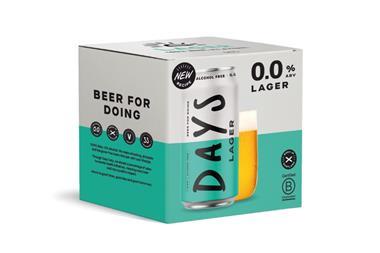
Despite a record number of consumers signalling their intent to take a month off alcohol, value sales of low & no-alcohol beers climbed just 2.8% year on year to £17.1m in the first four weeks of 2026 [NIQ].
This was markedly slower than the 15.4% sales increased seen over the past 52-week period.


No comments yet