




Logistics operators have warned they need an “urgent package of support from government” if the sector is to weather the inflationary storm caused by the Middle East conflict.
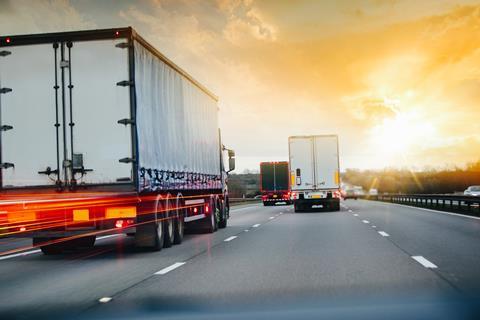
Industry body Logistics UK this week warned the cost of filling up a large HGV had risen by 30% to almost £1,000 between 23 February and 6 April.
About half the businesses polled by the organisation had already been forced to pass on these costs to their customers, leading to higher prices on shelves, claimed Logistics UK CEO Ben Fletcher. However, the other half had not been able to, leaving many operators, particularly SMEs, on the brink and facing “severe cashflow issues”.
Logistics UK is calling on Chancellor Rachel Reeves to reconsider her plan to begin increasing fuel duty by 5p from September and to further expand energy support via the British Industrial Competitiveness Scheme (BICS). The scheme was extended last week to cover some food sector businesses but did not include hauliers.
“Logistics businesses operate on very narrow margins, but are facing spiralling costs, most notably the price of fuel,” Fletcher said.
“The pressures on our sector are unsustainable, and risk pushing up inflation, weakening growth and creating severe cashflow issues for those who are responsible for keeping our shops stocked with food, our hospitals with medicines and our homes with access to the goods we rely on every day,” he added.
Fletcher pointed out how the Treasury had benefited from an increase of more than £40m from VAT, thanks to fuel price rises, since the start of the conflict on 28 February. “A decision to maintain the 5p per litre cut on fuel duty would not harm the tax take, and would be a welcome boost in such straitened times.”
Read more: Retail leaders say government must ‘intervene now’ to fight food inflation
The Chancellor was also urged to bring forward the energy bill reduction promised by the BICS – which will be widened to include 3,000 extra companies, including hundreds of food producers – from its intended date of April 2027. The expansion of the scheme has already drawn criticism from across the food sector, with BRC CEO Helen Dickinson warning last week that it went “nowhere near far enough to help retailers shield consumers from price increases at the till”.
No sector could succeed “without the logistics businesses that underpin them, and many parts of our industry, from chilled warehouses to electric HGVs, are facing higher electricity bills due to the conflict”, Fletcher argued.
“Not only is this increasing costs for our members and across the economy, but it’s also making it harder to switch to electric vehicles and support the UK’s energy independence. Reducing the duty on liquid low carbon fuels would also be a welcome step towards decarbonisation and away from dependence on the Gulf.”
Logistics UK is also urging the Chancellor to take action on business rates, and to reverse the recent increase for warehouses and other parts of the logistics sector for at least a year.
“Logistics keeps the wheels of the economy turning, delivering everything the country needs, every day,” Fletcher added. “In such difficult times it is imperative that our sector is supported, to avoid pushing up the cost of living and harming the UK’s growth prospects.”
His comments echo those of the Cold Chain Federation, which last week warned the lack of a “clear food resilience plan” and action on soaring fuel and energy costs posed a “real risk” to the UK’s national security.
Further pressure was heaped on the government earlier today, when retail leaders – giving evidence to the Commons Efra Committee – demanded “immediate government intervention” to help the sector fight inflation, including a six-month suspension of the extended producer responsibility packaging tax.







No comments yet