





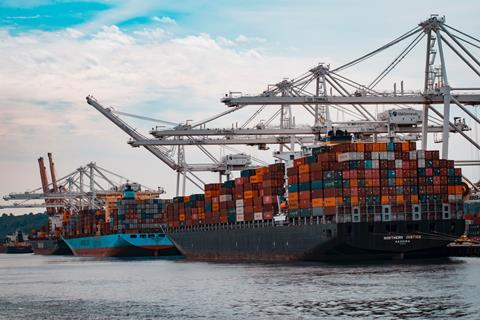
The price of oil has plummeted by around 13% to $81 per barrel in just a few hours following the reopening of the Strait of Hormuz.
Iran has declared the strait open to all commercial shipping for 10 days, the remaining period of a ceasefire agreed between Israel and Lebanon late on 16 April.
Israel’s attack on Lebanon had been a key sticking point during the negotiations between Iran and the US, after the bombing disrupted initial hopes for a ceasefire earlier this week.
Reopening the strait will allow nearly 800 ships currently stuck in the strait to transport their cargo – crucially, including oil, fertiliser and natural gas – to their destinations.
The strait is “completely open and ready for business and full passage”, Donald Trump posted to Truth Social. Separately, he claimed Iran had promised to never close the strait again.
Cautious optimism
Capital.com senior market analyst Daniela Hawthorn said the news should be interpreted with caution, given the situation’s “fluidity” over the past weeks.
“On the surface, this is clearly positive for markets. However, the key issue is credibility and durability. The Strait has already moved between ’open’ and ’restricted’ multiple times during the ceasefire period, often in response to developments elsewhere in the region,” she said.
”From a market perspective, this reinforces the current regime: headline-driven volatility with asymmetric reactions. Positive news like this can trigger sharp relief rallies, but those moves are often fragile because the underlying drivers of the conflict remain unresolved.”
Almost 20% of the world’s oil trade transits the strait, and shortages have already started to drive up inflation for consumers around the world as shipping and haulage prices skyrocketed.
A disgruntled supplier told The Grocer that shipping companies had taken to increasing their prices with cargo already on board.
“They’re like pirates,” he said.
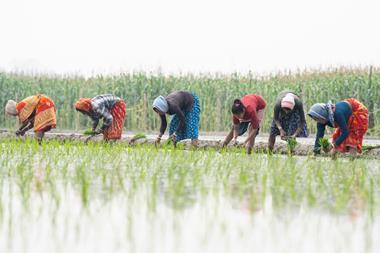
Shortages of petrochemical-derived fertilisers and heating fuel have likewise begun to push up costs for agricultural producers. Even if the ceasefire is made permanent, the damage inflicted on Gulf oil and gas facilities will take many months to repair.
Farming consultancy Andersons released data last week showing agricultural input costs up 7.6% annually.
And the FDF has estimated that even if all Gulf petrochemical production is back to normal within a year, and the ceasefire holds, UK food inflation will hit 9%.








No comments yet