






Investors lost faith with Reckitt Benckiser’s recovery this week to send shares plummeting at the Durex and Strepsils owner.
The FTSE 100 group trimmed its growth forecasts for 2026 after being hit with unexpected manufacturing problems for its Lysol disinfectant brand in North America and weakness in the Chinese supplements business.
Organic sales growth of 3.3% in Q3 for the core Reckitt business fell short of analyst expectations. Volumes were also well below market consensus, with increased revenues of £3.2bn coming from price rises.
Temporary manufacturing capacity constraints hurt sales in North America as Reckitt was unable to meet demand for Lysol amidst upgrades to its factory.
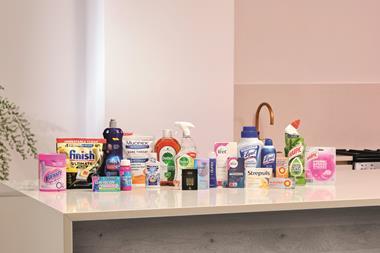
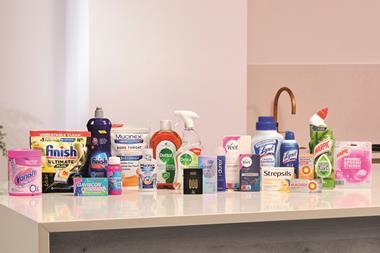
A return to like-for-like growth in Europe – thanks to NPD and strong growth for ‘power brands’ such as Gaviscon, Vanish and Veet – was a bright spot in otherwise mixed results.
Reckitt lowered guidance for its full-year sales growth as a result to 3.5%-4.5%, down from 4%-5% previously.
Shares slumped 7% as markets opened on Tuesday before recovering some of the losses throughout the day.
Reckitt has attempted a turnaround after cleaning up its portfolio in 2025 to sell its homecare brands to private equity and separating the infant formula business Mead Johnson for a future sale. It now operates as a focused consumer health and hygiene company with brands such as Nurofen and Finish.
But analysts were unimpressed in the wake of the Q3 results.
RBC’s James Edwardes Jones said the latest results would not change the perception that Reckitt is “inherently unpredictable”.
“Most of the volume miss was compensated for by higher price/mix, but in our experience this combination is rarely welcomed by investors.
“We can’t figure out if Reckitt is serially unlucky, if there is insufficient prudence and communication in its setting of expectations, or it is paying the price for many years of underinvestment… maybe there’s a bit of all three.”
Callum Elliott of Bernstein added: “After attempts to reset communication following a long history of under-delivery versus targets, investors could be forgiven for thinking we are back to ‘same old Reckitt’. Whilst we are not of this view ourselves, we think it is inevitable this guidance cut today will reset the clock on management’s trust rebuilding exercise and delay any potential rerating.”
AJ Bell investment director Russ Mould said the downgrade was a “meaningful bump in the road” for the recovery plan.
“Since Reckitt’s strategy to focus on its so-called ‘power brands’, the company has made some progress, but issues of its own making in its supply chain are the kind of mistakes it can ill afford.”








No comments yet