UK rice brands could face supply constraints and rising prices over the coming months if the Iran war continues, producers have warned.
At the time of writing, the shaky ceasefire between the US and Israel and Iran was still in place – having been extended by President Trump on Tuesday. But after Iranian forces seized three vessels this week in the Strait of Hormuz, Trump said he was “in no rush” to end the conflict.
The Pentagon told the US Congress on Wednesday that it could take up to six months to clear the strait once hostilities ended. Meanwhile, the boss of Swedish tanker firm Stena Bulk said in an interview with the BBC there was “no prospect” of the company’s vessels passing through the waterway under current conditions.
Against this uncertain backdrop, rice producers in key growing regions across Asia are already saying war-driven spikes in fuel and fertiliser prices are beginning to constrain future supplies of the grain – a key staple for more than half the world’s population.
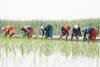
“Harvest-ready rice fields are lying idle, and farmers are deciding whether to skip planting for the coming season,” reported the South China Morning Post last week. “Tens of millions of smallholders are struggling to find affordable crop nutrients as well as the diesel need to run tractors, irrigation pumps and rice planters,” it added.
Exports of already harvested rice from India – which supplies some 57% of the UK’s basmati demand, according to data from UK trade body The Rice Association – are also facing “near-term pressure from rising freight and insurance costs”, said Indian market intelligence firm Agriwatch.
“Logistical bottlenecks, container shortages and payment delays have slowed trade flows, with some consignments reportedly stuck at ports or in transit.”
The Rice Association – which represents the UK’s major rice brands – this week told The Grocer it was “closely monitoring the ongoing conflict in the Middle East and the impact on rice availability”, though stressed global rice stocks were currently “relatively high”.
However, it warned the conflict “will add cost to rice production”, with south east Asia set to be the “most affected in the short-term due to the window of fertiliser application for rice production in this region”.
Rice milling was an energy-intensive process, “so the rise in utility costs poses a challenge, as does the increase in packaging costs”, it added. “Extended producer responsibility requirements are adding to packaging costs, so government policy in this area is contributing to pressure.”
The presence of a well-invested, diverse UK rice sector meant that mills stored rice from a range of origins, acting as an effective buffer against immediate disruption to availability.
But if the Strait of Hormuz remained closed, it was “expected there will be cost pressures and negative production impacts in all rice production origins”, the industry body warned.
Climate challenges
It comes as research published by Mars Food & Nutrition warned that El Niño conditions forecast for the second half of 2026, alongside existing climate challenges, could also pose a significant threat to future global rice supplies.
But while 62% of UK consumers said rice was “central to their diet”, some 38% of shoppers did not believe climate change could affect rice production, despite flooding destroying 18 million tonnes yearly.
“Rising pressures” facing rice farmers were leading to a generational shift, with 70% of farmers in India and 63% in Pakistan saying they did not want their children to follow them into rice farming, revealed Mars’ Securing the Future of Rice from Field to Fork report, published this month.
Urging “joint commitment and collaboration” from the rice sector to shift to more sustainable production methods, Mars said it was investing $20m in its Raising Rice Right platform to be applied throughout the decade (2020-2030), to help its farmers adopt and scale climate smart agriculture practices across key sourcing regions including in the US, Europe, and Asia.
“The challenge is no longer to prove that climate smart agriculture works,” said Chris Sackree, global VP of supply for the business, which owns the Ben’s Original, Tasty Bite and Seeds of Change brands.
“We already have solid evidence and practical solutions that can be adapted to very different rice growing regions. The real opportunity now lies in creating the economic incentives and market conditions that make farmers want to adopt these practices at scale – that is when transformation will truly accelerate”


No comments yet