





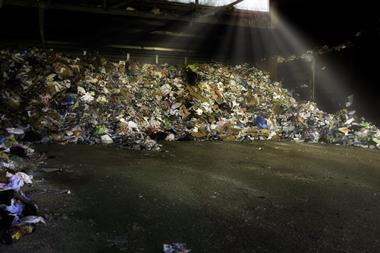
Artificial intelligence rolled out by supermarkets to improve forecasting data has made a “nightmarish” situation even worse and is leading to huge levels of food waste, suppliers have told the Groceries Code Adjudicator.
The Grocer has learnt that a group representing more than 20 mid to large-sized suppliers met with Adjudicator Mark White last month to raise the issue, with Asda and Morrisons singled out as the biggest offenders.
At his annual conference in October, White said he hoped the increasing use of AI would improve the accuracy of forecasts, after retailers were accused of returning to the sort of pre-pandemic behaviour that led to shocking levels of food being wasted in the supply chain.
However, Jonathan Kittow, managing director of Simply Supply Chain, said it had turned out to be part of the problem facing suppliers.
Kittow claimed since AI had been introduced across many supermarkets, the accuracy of forecasts, which depended on “good history, good availability and intelligence on likely sales uplifts”, had been “hugely variable”. Suppliers of limited-life chilled products were among those hardest hit, he said.
He said suppliers were regularly finding themselves with inadequate time to react to promotional activity. Supermarkets also often ignored GSCOP best practice guidance which urged them to help suppliers deal with surplus stock from inaccurate forecasts, he added.
“With the current competitive environment, the discipline about confirming deals (meant to be six weeks on average) is weakening, with reactive/volume leading deals not being confirmed until two or three weeks out and some even later,” said Kittow.
“The result is that suppliers have been having to commit to volumes before they are finalised.
“For limited-life products, this means taking the risk of over or under-production, without a clear forecast, or perhaps more importantly, without the retailer agreeing to the production volumes being made.”
The Adjudicator was told that the result of the failures in forecasting had been to drive up levels of food waste.
In 2018, White’s predecessor Christine Tacon issued best practice guidelines intended to introduce better transparency for suppliers over forecasting and to prevent suppliers being saddled with the full cost of forecasting gone wrong.
It included calling for retailers to ensure that buying-in periods for promotions were reasonable and did not exceed the shelf life of products.
Supermarkets were also told to ensure that timelines were adhered to and commitments on promotions were delivered in-store, as well as ensure suppliers are able to get access to supply chain or buying teams to share intelligence and discuss forecasts or orders.
The guidance also called for supermarkets to ensure costs of fluctuations in supply and demand were “fairly shared”.
“The primary option for retailers to support suppliers, without directly compensating them for any ‘losses’ is derogation – a temporary relaxation on the minimum shelf life accepted upon delivery into their chilled distribution centres,” said Kittow.
“This process needs to be approved by the retailer and communicated to the chilled depots so that they can update their systems and/or be aware to accept the product with reduced life.
He added: “Two retailers were called out by suppliers at a recent meeting for not supporting this process sufficiently – Asda and Morrisons.
“Examples were shared where requests had been made and accepted by the head office supply chain teams, but product was refused by the depots.
“This refusal means a delay in getting product back and recirculated, meaning that it would most likely go to waste.
“There were also many more examples where derogation was not granted, leaving suppliers with no alternative route to market.”
A Morrisons spokeswoman said: “In the past four months we have spent a significant amount of time improving our processes regarding forecasting and how it impacts minimum life on receipt in our depots.
“We now have a higher degree of control and can notify our depots instantly following any changes agreed between our commercial teams and our suppliers. Since Christmas we have only had one direct flag from a supplier about this and we resolved it. We have been working closely with our suppliers on this and want to continue to do so. We will always work actively together to find the best solution for both our suppliers and our customers.”
An Asda spokesman said: “Forecasting is a regular, industry‑wide topic of discussion between retailers and suppliers and Asda recognises the importance of forecast accuracy. We continue to engage constructively with suppliers in line with GSCOP.”
A GCA spokesman added: “The GCA has prioritised tackling forecasting issues and is aware that many large retailers are making changes to their systems, including using AI. The GCA is focused on ensuring that the retailers effectively communicate these changes and make them in accordance with the Code.
“The GCA encourages suppliers to confidentially raise forecasting issues with a large retailer’s Code Compliance Officer or to the GCA. The Adjudicator will continue to push the retailers to make improvements in response to issues raised by their suppliers.”









No comments yet