




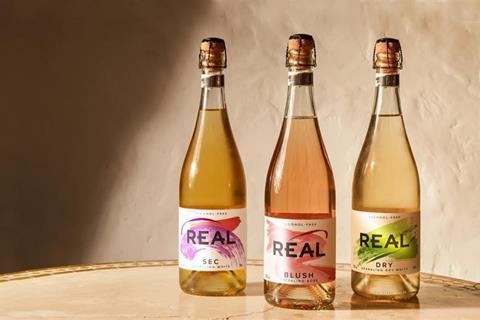
Industry figures have called into question the effectiveness and feasibility of plans to ban the sale of low & no alcohol drinks to under-18s.
Ministers are currently considering measures to regulate access to alcohol-free beers, wines and spirits to under-18s as part of the government’s 10-Year Health Plan, over fears the products could lead young people to adopt harmful drinking behaviours in later life.
While it is illegal to sell alcohol to under-18s, no such restriction currently exists for alcohol-free drinks. However, many retailers voluntarily restrict the sale of low & no alcohol beers, wines and ‘spirits’, with shoppers needing to show proof of age to make a purchase.
There was “some evidence to suggest that exposure to alcohol-like products, even if low or zero alcohol, can normalise drinking, and become a gateway to alcohol consumption,” health minister Ashley Dalton told The Telegraph earlier this week.
However, industry figures have insisted low & no products are “part of the solution, not the problem” to harmful drinking, adding that their consumption among under-18s is not widespread.
“The gateway argument keeps coming up, but it doesn’t stand up to scrutiny,” said Laura Willoughby, co-founder of low & no alcohol research organisation and retailer Club Soda. “There is no credible evidence that alcohol-free drinks cause people to start drinking alcohol.”
Club Soda is set to release its own comprehensive study on gateway theory in the coming months.
The study, which leans on large-scale research from Japan and the Netherlands, would conclude that “alcohol is far more often the gateway to alcohol-free drinks, not the other way round”, Willoughby said.
“Combined with falling youth drinking rates in the UK, the conclusion is clear: alcohol-free drinks are part of the solution, not the problem,” she said. “For the government to curtail the most positive health trend in the UK based on hunch rather than evidence would go against their own health policy.”
No universal description
Moreover, for the government to regulate the sale of low & no alcohol products to under-18s, it would first need to come up with a universally agreed definition of these products, Willoughby pointed out.
“Most of these drinks, including all alcohol-free wines, are technically soft drinks at the moment, so it can’t be dealt with until the government sorts that out first.” she said. “It’s about more than just abv, it’s about what is an adult alcohol-free and what is an adult soft drink. At the minute it’s all very murky.
“With something like an alcohol-free brand extension that shares branding with its alcoholic counterpart it is clear, but are they going to put age restrictions on the sale of sparkling tea?”
Under the current definitions set out by the government, only products under 0.05% are classified as alcohol-free, while those over 0.05% but less than 1.2% are considered low-alcohol.
It is not clear whether the government would move to restrict the sale of alcohol-free products to under-18s, or just those currently considered low-alcohol.
Limited consumption among under-18s
Club Soda is not the only organisation to question the perceived wisdom of restricting access to low & no alcohol products.
YouGov survey data commissioned by The Portman Group and published earlier this month showed that just 7% of consumers to have tried alcohol-free alternatives had done so before the age of 18.
Moreover, nearly a quarter (24%) of alcohol drinkers to have tried low & no alternatives reported that these products helped reduce their alcohol consumption.
“A large proportion of UK consumers continue to drink moderately and that low & no products help them to do this,” said Portman Group CEO Matt Lambert. “It is for this reason we at the Portman Group continue to champion and support this important and growing sector.
“These figures also help us to understand underage drinking of low & no alcohol products and demonstrate that the industry is proactive in ensuring these products are marketed and sold as alcohol alternatives for adults only.
“It’s good news that UK adults are embracing moderate drinking and low & no alcohol options like never before, showing these products are now a mainstream choice, helping people to drink responsibly while still enjoying social occasions.”
A Department for Health & Social Care spokesperson said: “This government supports further growth in the no and low-alcohol market for adults, given the potential to help tackle harmful levels of consumption if the switch is made to lower-alcohol alternatives.”



No comments yet