





Not content with one sensationalist food scare story this week – over the unfounded fears of dynamic supermarket pricing – the national media gave us a second dose of hysteria overnight, as it warned the Iran conflict left the UK ‘facing a summer of shortages’.
A story broken by The Times before being followed up by the BBC and others revealed the government had been “secretly” rehearsing scenarios looking at the potential impact of the war on British industry, via an event ominously codenamed ‘Exercise Turnstone’.
Halfway down a story excitedly headlined ‘Britain preparing for food shortages as Iran war bites’, The Times article caveated “while there are not expected to be critical food supply shortages, officials expect there could be a lack of product variety in shops”.
But by then (and props to The Times for its attention-grabbing headline), the reader may well have been questioning “are we going to see empty shelves or not?”.
Regardless of the merits of this story, however, what it has done is surface (on an even wider platform), the vulnerabilities and diminishing food sector resilience we at The Grocer have been warning about for many months.
And rather than shortages, it’s becoming increasingly apparent that an even bigger problem to emerge from the war is a potentially significant uptick in inflation.
Wot, no CO2?
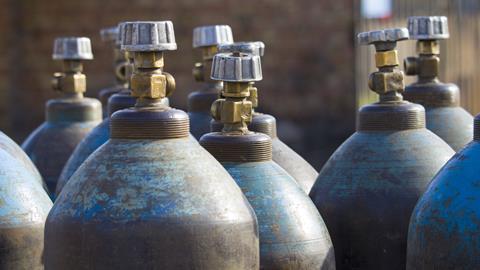
As readers of The Grocer will be only too aware, CO2 gas has a wide range of vital uses across the food industry, from the carbonation of drinks and in baked goods, to the slaughter of animals and in modified atmosphere packaging. And the “reasonable worst-case scenario” which was drawn up by officials and outlined in The Times article – assuming the Strait of Hormuz would remain closed for the foreseeable future – revealed shoppers could face shortages of key food and drink items this summer due to the vulnerabilities of the CO2 gas supply chain.
However, supplies of CO2 gas seem secure for now, with British Poultry Council CEO Richard Griffiths telling the BBC he was “reassured” the government was “establishing contingencies for CO2” if the effects of the war extended further into the year. And of course, as we reported just a few weeks ago, the government has handed CO2 gas supplier Ensus a £100m bailout to restart production.
But as the conflict rumbles on, its impact is now starting to be felt across the entire food sector.
As we reported today, the Cold Chain Federation is one of many food sector groups to call for more government help on the soaring costs.
Its CEO Phil Pluck said the government was “deaf” to its calls to bolster supply chain resilience, with the soaring cost of fuel and other supply chain disruptions likely to send food price inflation rocketing, potentially even higher than the FDF’s estimate of almost 10% last week, to a level closer to 15%.
We’ve also seen extensive warnings from the farming sector (and even the threat of protests) over fuel and fertiliser price inflation, while commodity price volatility is also seeping into all corners of the food industry.
A rock and a hard place
But on the specific scenario planning that caused today’s headlines, there’s an argument that the government is damned if it does do this kind of preparatory work, and damned if it doesn’t.
Granted, Chancellor Rachel Reeves did at least announce an energy bailout scheme for food companies today (though she’s said nothing yet on any further fuel duty concessions, unlike the likes of Ireland, Italy, Spain and Poland).
The BRC’s Andrew Opie reacted to the bailout announcement by calling on government to consider what other “domestic policy levers it can use to reduce these costs”, making it clear much more needs to be done. This afternoon, the BRC went even further, with CEO Helen Dickinson warning the scheme went “nowhere near far enough to help retailers shield consumers from price increases at the till”.
Meanwhile, off the record conversations between food sector leaders and Grocer journalists in recent days reveal a general sense of despair at the government’s handling of the crisis and a patent ‘lack of leadership’.
Indeed, one senior food sector source, when asked what they thought of the government’s response, merely retorted “what response?” Ouch.
As the FDF’s CEO Karen Betts said today, “food costs are already rising”.
But if government is “willing to act fast in extending energy support to more of the food sector, together we can help shield households from the full impact of the energy crisis on food and drink prices”, she added.
“If not, the UK risks another, unwelcome spike in food inflation.” But will the government be warned?







No comments yet