





When HFSS restrictions came in, the industry focused on what had been lost. Lost space. Lost displays. Lost promotional mechanics.
For many categories, the biggest hit hasn’t been media. It’s been the loss of in-store theatre – the moments where brands created urgency and recruited new shoppers.
But HFSS did not fundamentally change fmcg growth. It revealed how it was already changing.
For years, the formula was predictable. Dominate shelf space, invest in media, drive spikes through promotion and repeat. It delivered volume, disguising the fact that many brands were renting attention rather than earning it.
Behavioural shift
Before regulation tightened, behaviour had already shifted. Mass reach was fragmenting and cultural influence was splintering into interest-led communities. Attention moved from broadcast and store theatre to platforms, creators and shared experiences. HFSS didn’t invent that shift, it just removed the cushioning.
If you can no longer rely on secondary sightings and deep multibuys to manufacture urgency, you are forced to confront a harder question: why should shoppers choose you at all?
Because we are visible? Because we are discounted? Those answers are no longer enough.
Some brands are still trying to restore the old equation. They are adjusting media plans, compressing promotional calendars and negotiating harder for diminishing in-store impact. But shrinking levers do not rebuild structural growth. They delay the reckoning.
Others are accepting the shift. Instead of fighting for attention at the shelf, they are showing up earlier.
Moments that matter
Partnerships allow brands to anchor themselves to key occasions – and the right partner helps create contextual relevance that feels timely rather than transactional. Instead of relying on price to create urgency, brands can align with moments that already matter.
Tesco’s collaboration with WW wasn’t only about being louder in the aisle. It signalled a shared set of values around health, accountability and better choices. In a restricted promotional environment, partnerships become a way of signalling what a brand stands for.
For retailers, this changes the supplier conversation. If promotional intensity is constrained, value must come from somewhere else. Partnerships can bring external communities into the store, align with shared values or connect to cultural moments that drive traffic beyond price mechanics.
Price will always matter and promotion will always play a role. But as a primary growth engine, it looks increasingly fragile in a world of fragmented attention and regulatory constraint.
HFSS is not the problem
There is now a visible divide in fmcg. On one side are brands built around promotional dependence. On the other are brands building influence that exists beyond the fixture rooted in routine, community and cultural relevance.
The first group sees HFSS as the problem. The second recognises it as proof that the old model was already under strain.
The deeper challenge is not compliance. It is relevance. When relevance drops, brands don’t just lose buzz, they lose shoppers – and that’s when price and own label do the heavy lifting.
Fmcg does not have a promotional problem. It has an attention problem. HFSS simply made it impossible to ignore.
In a market where space is limited and reach is fractured, growth will come from brands that build relevance beyond the shelf. Partnerships are strategic growth platforms, not peripheral marketing tactics. Brands that use them to earn attention will build influence that lasts. The rest will keep paying for visibility and wondering why it isn’t turning into loyalty.
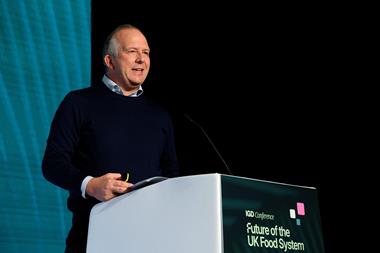
Mike McDonnell is head of partnerships at Zeal Creative







No comments yet