





There is so much to admire in Tesco’s results. Like a well-oiled machine it just keeps making marginal gains, constantly fine tuning and finessing its offer.
In this as in so many other ways ‘every little helps’, whether it’s the £3bn sales from its Finest range (doubling in three years); the 11% increase in online sales (to over £7bn) and 51% growth in Whoosh rapid delivery sales (to over £400m); or tripling Everyday Low Prices to 3,000 lines; or adding 369 net new Booker retail partners; or growing its Tesco Marketplace range to 450,000 SKUs; or introducing the sixth iteration of its Accelerator Programme; or achieving strong Tesco Media growth among smaller brands; or cutting costs by £535m (ahead of target); or delivering a 68% reduction in Scope 1 and 2 emissions (ahead of target); or rationalising 250 separate AI-workstreams into a cohesive AI strategy.
It all adds up to a sparkling year, in which it’s easily seen off Asda’s threatened price war, with profits better than expected at £3.15bn (vs last year’s cautious forecast of £2.7bn-£3.0bn) and a further 24bps increase in UK market share (to 28.5%).
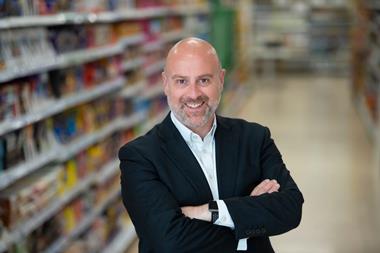
Tesco has again been cautious this year in forecasting a wider profit range (between £3bn-3.3bn) for the year ahead – but for different reasons: this time of course it’s owing to “increased uncertainty” caused by the US-Iran war. And while no-one should doubt Tesco’s ability to mitigate in a crisis – it’s targeting another £500m in savings this year – Group CEO Ken Murphy’s response to the impact of rising costs was characterised by the same ‘every little helps’ mantra. “In terms of tax pressures, industry and energy in particular, anything the government can do to help us to keep prices low for customers is welcome,” he said.
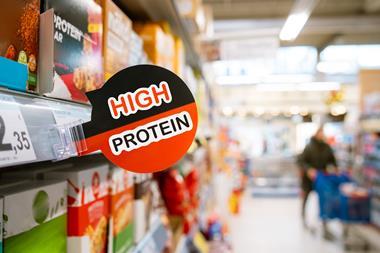
Meanwhile Tesco just keeps on trucking. There are new initiatives too: just this week Tesco opened a new animal feed production facility in Chelveston, Northamptonshire, a “step-change” attempt to create a circular economy in the UK food system; it launched Hide, a new high protein and fibre food range; it signed an AI deal with software giant Adobe to “accelerate personal engagement”; and introduced a large-scale trial of a new AI assistant with its 280,000 colleagues.
Tesco even unveiled a new strategy, evolving its strategic ambitions through five “mutually reinforcing goals”: 1. Winning in food 2. Meeting more everyday customer needs 3. Being the most strategic partner for suppliers 4. Connected, personalised and loved by customers 5. Long-term business sustainability.
Of course, these are familiar objectives. But there is a stronger sense that in this strategy, it’s even more about personalisation. It’s about linking personalisation to a collective gain, whether that’s helping a supplier to identify customers at risk of lapsing from a brand through its army of 400 Dunnhumby data scientists; or accelerating customer personalisation and marketing capabilities beyond its newly launched Your Clubcard Prices proposition so Tesco can sell a wider range of products and services and give shoppers more of what they want to buy – rather than what Tesco wants to flog.
Today 100% of active Clubcard customers’s grocery home shopping journeys are now personalised ona a one-to-one basis. And while Murphy admitted that at over 80% participation in Clubcard itself had probably peaked, no-one should be in any doubt that significant further efforts to maximise the opportunity from personalisation lie ahead.


No comments yet