




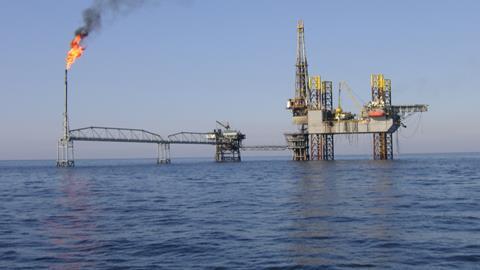
Headlines across the grocery sector – and beyond – continue to be dominated by the war in the Middle East. But while attention has shifted to a two‑week ceasefire, the jury remains out on what it will actually mean for global fuel, oil, and food & drink prices.
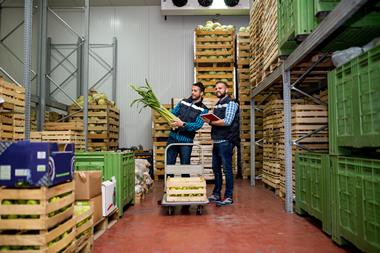
The food & drink sector is already feeling the fallout. The FDF warned last week that disruption to oil and gas markets has had a “direct and immediate impact” on production costs, predicting food inflation could top 9% this year as a result. Growers, meanwhile, say rising energy prices have created an “immediate and unsustainable financial burden”, warning that without government intervention, empty fruit and veg shelves are a real risk this summer.
The implications of this ‘cost of farming’ squeeze cannot be overstated. Agflation has risen by more than 7.5%, driven largely by fertiliser shortages and the soaring cost of red diesel. These fractures in the supply chain will take months, if not years, to resolve – and a 14‑day ceasefire is unlikely to make much of a dent in the disruption being felt across the sector.
Closer to home, news that Co-op Group plans to merge with Southern Co-op has added further fuel to the “Co-op in crisis” narrative, which culminated with the not-so-shocking departure of CEO Shirine Khoury-Haq last month. The wheels for this landmark deal will have been set in motion long before last month’s results landed, but it’s certainly interesting timing.
It’s not clear what Co-op Group will gain commercially from the merger, but it may just find a new leader in the process. Southern Co-op CEO Ben Stimson has the requisite grocery retail experience from his time at Waitrose – something neither Khoury-Haq nor her interim successor Kate Allum could claim.
While smaller groups are historically nervous of losing their independence, the deal is a clear signal that both parties believe strength comes from working together. It may also mark a more significant turning point for the wider retail co‑op movement: that greater scale and resilience will be required to withstand geopolitical shocks and mounting cost pressures. In uncertain times, safety in numbers may be exactly what’s required.






No comments yet