





Six in 10 households feel their pay doesn’t go as far is it did a year ago, with lowest earners hardest hit, according to Asda’s Income Tracker.
Spending power for the lowest 20% of earners was down by 5% year on year in December, according to the latest monthly figures.
Middle-earning households, on between £25,000 and £41,000 a year, were also worse off. Spending power for those on around £25,000 had fallen by 7.1%, leaving them with £12 a week after paying essential costs.
Asda said the bleak figures reflected weakening earnings growth alongside annual Inflation of 3.4% in December.
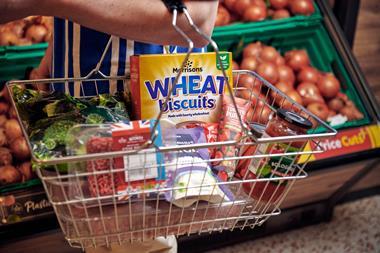
Housing and utilities remained the largest contributor at 4.9%, while food and non-alcoholic beverages rose by 4.5% in price, driven by bread and cereals.
“Overall, 2025 has been a mixed year for the Income Tracker,” said Sam Miley, head of forecasting at economic consultancy Cebr.
“Low inflation and strong earnings growth saw nominal discretionary incomes rise to record highs at the start of the year, before increases to employment taxes and wage floors in April increased cost pressure on businesses. This caused stronger inflation and weaker labour market conditions, prompting growth in the Income Tracker to stagnate.
“While quarter four has shown signs of recovery for household purchasing power, this has largely been down to a slowdown in underlying price pressures, rather than an acceleration in earnings growth.
“Looking ahead, despite an uptick in inflation in December, Cebr expects this trend to continue over the first half of 2026. Easing price pressures and weakening earnings growth are competing influences on the Income Tracker, creating substantial uncertainty for future performance.”







No comments yet